
 By
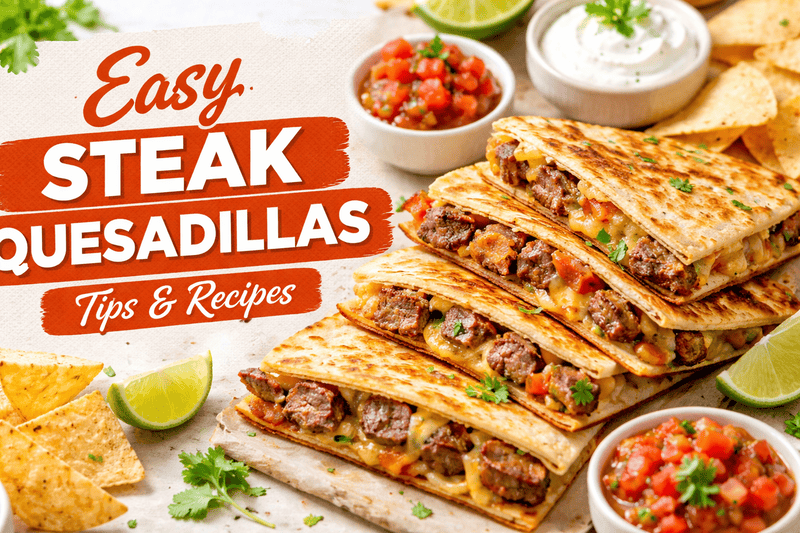
By When making Steak Quesadilla at home, I always think about balance, because great quesadillas come from smart choices, not just luck. I love using leftover or leftovers Steak from my fridge, especially seasoned fajita style, since it cooks perfectly and saves time for a quick lunch. Over the years, this recipe became my favorite because melty cheese, tasty vegetables, and fresh veggies create an amazing bite every time. There are two main types I want people to try: one with classic cheese and another with new vegetables, depending on what you cook or have specifically as suggestions from past meals. When done right, this dish turns simple leftover food into something you’ll want again, proving that smart use of leftovers can be just as exciting as starting from scratch.
What Makes a Steak Quesadilla So Popular?
When I build a great quesadilla, I start with steak because the cut and freshness decide everything, and from years of cooking for my family, I know people feel the difference right away; I cook it tender and juicy, aiming for a smart balance where the cheesiness does not hide the flavor but lifts it to the right level, then I add veggies for color, a light crunch, and that whole bite that feels complete, almost like a copycat of a favorite Chipotle order but more personal, finished with a drizzle of Vinaigrette mixed with Honey that brings another layer of flavor I truly love, and when it all comes together just right, I am sure that is the perfect quesadilla people remember and ask for again.
Steak, Cheese, and Tortilla Balance Explained
From my own kitchen tests and family taco nights, I’ve learned that a great quesadilla starts with balance, where steak quality and freshness matter as much as the fold of the tortilla; I always go for tender, juicy cuts, cooked just right, because that level of care makes the bite feel perfect every time, and when I aim for a copycat Chipotle feel, I focus on a light crunch outside while keeping the inside warm and rich, using the whole tortilla to hold the right cheesiness, layered with fresh veggies for contrast, a drizzle of Honey for a mild sweet note, and another splash of Vinaigrette to cut the richness—this mix is what I truly love, and I’m sure it’s the small details like this that turn a simple meal into something special.
Choosing the Best Meat for Steak Quesadillas
From my own kitchen runs, whether I’m using leftover, cooked, steak or starting from scratch, I always choose what fits the moment: individually-portioned filet mignon, strip, rib eye, New York strip, or chuck eye when I want something cheaper, or skirt steak, tri-tip, and flank steak for bold beef flavor; if I’m feeding multiple people, a larger single steak works best, while leftovers already sliced or served before make making 1-4 quesadillas fast, and I’ve even used already sliced raw beef strips, stir-fry strips, or fajita beef as the easiest option—just season, toss into a hot skillet with oil, cook to desired doneness based on preference, let it rest fully, then cut or use thin strips or slices so the tender beef melts perfectly inside the quesadillas, no matter the size of the cut.
Flank, Skirt, and Shaved Steak Options
When I am starting from scratch, I usually choose between flank steak, skirt steak, or tri-tip because they handle heat well and stay tender if you season, toss into a hot skillet with oil, and cook to desired doneness based on preference; but on busy nights, the easiest route is already sliced options like shaved steak, beef strips, stir-fry strips, or fajita beef, which are often raw, individually-portioned, and perfect for making 1-4 quesadillas for multiple people without extra prep, while leftover or leftovers cooked steak—whether rib eye, New York strip, strip, filet mignon, or chuck eye—can be sliced into thin strips, cut to size, served fast, and used fully after letting it rest; I have done this with a single steak many times, especially when a larger beef cut like chuck eye (which is cheaper) is cooked to desired doneness, fully rested, and reused, proving that good steak for quesadillas is less about perfection and more about smart use, smart cook, and smart timing.
Steak and Chicken Combination Ideas
From my kitchen work, I often start with leftover or leftovers that are already cooked, because quesadillas shine when steak is cut into slices and served fast to multiple people, and an individually-portioned cut is easier than a larger size when sharing; if I am starting from scratch, I choose beef because it is the easiest to control, whether it is already sliced or raw, like beef strips, stir-fry strips, or fajita beef, which I season, toss in a hot skillet with oil, then cook to my desired doneness so it stays tender to my preference when making 1-4 quesadillas from a single steak; for flavor, I rotate between rib eye, New York strip, filet mignon, strip, chuck eye as a cheaper option, plus skirt steak, tri-tip, or flank steak, and after I cook to desired doneness I let it rest fully, then cut it sliced into thin strips to use cleanly, which also works well when chicken is added later for balance, especially when the steak is neatly sliced and portioned for smooth service.
How to Season and Marinate Steak for Quesadillas
From my kitchen experience, great steak quesadillas start before the pan heats up, so I place 1-2 steaks of top sirloin steaks in a container, then add olive oil, ¼ cup soy sauce, extra soy sauce, 2 tablespoons lime juice, fresh lime juice, 1 tablespoon garlic, and minced garlic, stir well, and pour the mix over the steak with steak seasoning, Montreal Steak Seasoning, or my favorite steak seasoning; once I marinate it for a couple of hours with a tight lid in the fridge, I finish by thinly slicing against the grain, which keeps the meat tender and bold for every bite.
Seasoning Blends That Deliver Restaurant Flavor
From my own kitchen experience, the best steak quesadillas start when I place 1-2 steaks of top sirloin steaks on a board and focus on smart flavor building, not just salt, because a balanced steak seasoning works best when you add depth slowly. I pour olive oil, ¼ cup soy sauce, and 2 tablespoons lime juice into a container, then add minced garlic, 1 tablespoon garlic, and my favorite steak seasoning like Montreal Steak Seasoning, giving everything a gentle stir before the steak goes in. Once coated, I marinate it for a couple of hours, cover the container with a lid, and rest it in the fridge, which helps the soy sauce and lime juice soak in evenly. When ready, I always slice by thinly slicing the meat against the grain, because that keeps the bite tender and perfect for cheesy fillings, and this simple habit has never failed me when building bold, juicy quesadillas.
Midwest Comfort-Style Flavor Inspiration
From my Midwest kitchen, I keep this method simple and reliable for juicy steak quesadillas with deep comfort flavor, starting by place 1-2 steaks of top sirloin steaks in a sealed container with a tight lid, then add olive oil, ¼ cup soy sauce, extra soy sauce, 2 tablespoons lime juice, fresh lime juice, minced garlic, and 1 tablespoon garlic, followed by Montreal Steak Seasoning or your favorite steak seasoning as the main steak seasoning; I gently pour everything together and stir so the steak is fully coated, then marinate it in the fridge for a couple of hours, which I’ve learned keeps the meat tender without overpowering it, and when ready to cook, I focus on thinly slicing the steak against the grain, a small step that makes a big difference in bite and texture, especially when the goal is rich, melty steak quesadillas that taste like they came from years of hands-on experience rather than a rushed recipe.
How to Cook Steak for Quesadillas Properly
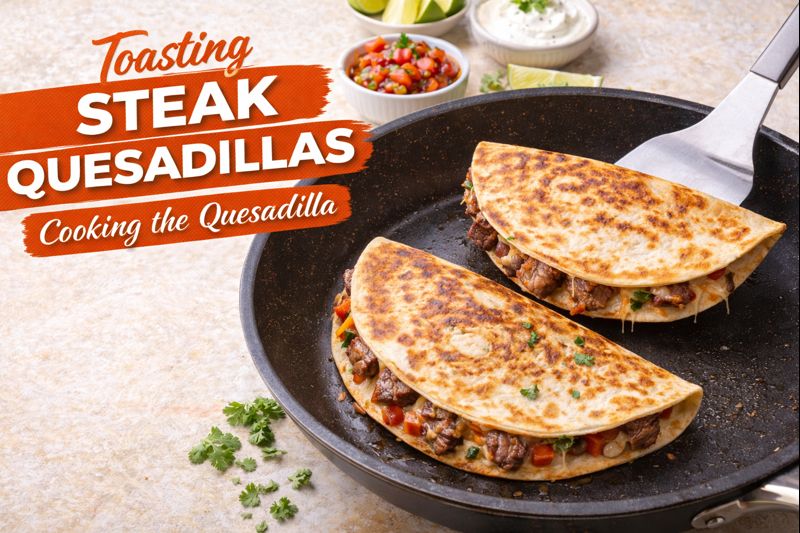
From my favorite way of weeknight cooking, I always start by choosing top sirloin steak, then thinly slicing it against the grain and placing it in a container with olive oil, steak seasoning, Montreal Steak Seasoning, or any favorite seasoning, plus minced garlic, tablespoon of lime juice, tablespoons of soy sauce, about a quarter cup, then stir, cover with a lid, and marinate in the fridge for a couple of hours, because proper marinating makes it tender, then I set aside the meat and prep sliced onion and green peppers, melting butter or tablespoons butter in a skillet on the stove or griddle over medium-high heat, where I season veggies with salt, pepper, and garlic powder, then add the steak and cook steak to my desired temperature, and once done I build quesadillas using a flour tortilla, shredded Monterey Jack cheese, add steak, peppers, onions, more shredded cheese, fold tortilla, and cook quesadillas until golden brown with melted cheese, a process I have repeated for years and still trust every single time.
Griddle vs Grill Cooking Methods
When I work with top sirloin steak, I start by thinly slicing it against the grain, placing it in a container, then adding olive oil, steak seasoning, Montreal Steak Seasoning, or my favorite seasoning, plus minced garlic, tablespoon by tablespoons of lime juice, soy sauce, about a quarter cup, then stir, cover with a lid, and marinate in the fridge for a couple of hours, because marinating deeply boosts flavor before I set aside the meat and move on; for the griddle vs grill debate, my favorite way is the griddle on the stove since medium-high heat gives better control, so I heat butter or tablespoons butter in a skillet, add sliced onion and green peppers, season veggies with salt, pepper, and garlic powder, then start cooking the meat and cook steak to my desired temperature, and once ready I build quesadillas using a flour tortilla, shredded Monterey Jack cheese, add steak, peppers, onions, more shredded cheese, fold tortilla, then cook quesadillas until golden brown with melted cheese, a method I’ve trusted for years because it delivers consistent texture and bold taste without guesswork.
Steak Quesadilla Ingredients Breakdown
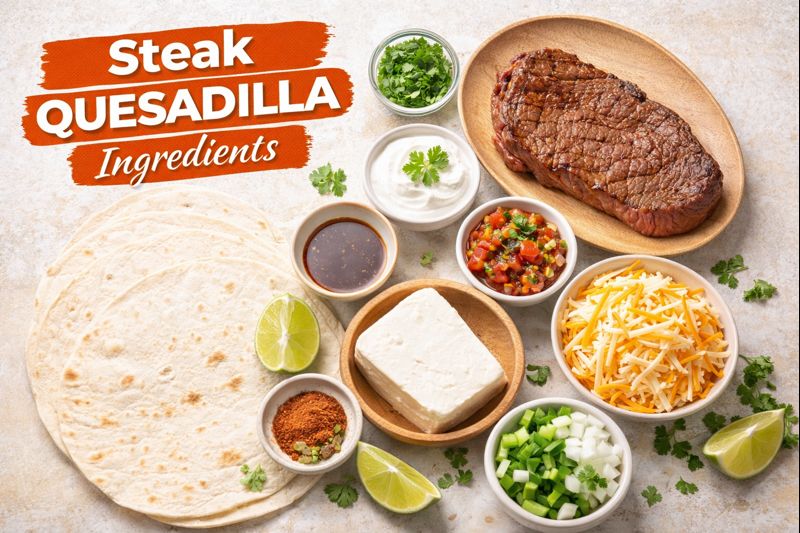
When I make steak quesadillas at home, I always start by respecting the ingredients and how they work together, beginning with 2 tsp. cooking oil, divided to gently cook 1/2 green bell pepper, sliced and 1/2 medium onion, sliced until soft and sweet, then seasoning them with 1/4 tsp. salt, 1/2 tsp. ground cumin, 1/2 tsp. chili powder, and 1/8 tsp. cayenne (optional) for balanced heat, before adding 1 cup sliced cooked steak, thinly sliced*, which I’ve learned should stay tender, not overcooked, then layering everything into 4 (6-inch) flour tortillas with 2 slices Cheddar cheese** and 1/2 cup shredded Monterey jack cheese**, measured just right using TBSP, 4 TBSP, 1 TBSP, because from experience, the right cheese-to-filling ratio is what turns simple quesadillas into something memorable.
Choosing the Right Cheese and Add-Ons
From my experience making quesadillas at home, the best way to get that perfect bite is by understanding stringy melted cheese and how different cheeses melt, because cheeses like Oaxaca, Chihuahua, Monterey jack, mozzarella, and even Cheddar cheese each bring a different level of smooth gooeyness and cheese pull, and I learned early on that pre-shredded cheese has a coating that helps it stay separate in the bag in the fridge, but when you want real flavor and a solid thing that melt together into one mass, shredding cheese yourself makes a big difference, especially for quick quesadillas where fresh shredded cheese, loose shreds, or even thinly sliced cheese work better; I often mix two types of cheese, using thin slices or sliced cheese on the bottom tortilla so it gets the heat for the longest time, which helps the cheese keep its integrity, stays together, and doesn’t fall pulled apart when you cut through and bite into it, while adding fajita vegetables like sauteed bell pepper and onions tossed with fajita seasoning from a packet or taco seasoning, though I prefer homemade fajita seasoning or homemade taco seasoning made with cumin and chili powder from my own recipe, because that balance lets the cheese and steak shine without overpowering the filling.
Step-by-Step Steak Quesadilla Instructions
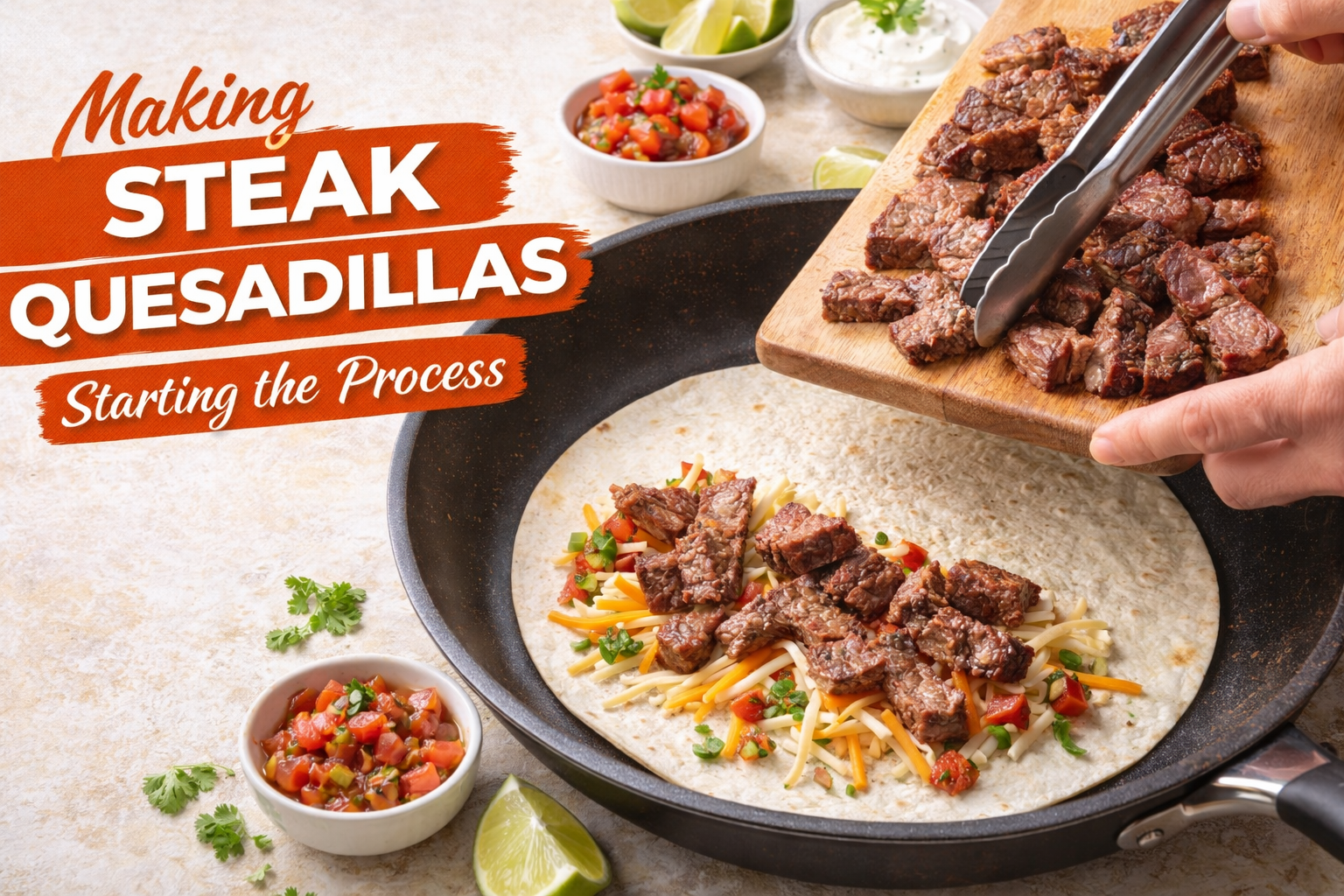
Thinly slice the steak against the grain; from my kitchen experience, this keeps every bite tender. Add the meat to a container with olive oil, seasoning, minced garlic, lime juice, soy sauce, then stir to combine well and make a quick marinade; let it sit in the refrigerator for a couple of hours. Cook sliced onions and peppers in butter on a griddle or skillet on the stove over medium high heat; season with salt, pepper, and garlic powder. Next, cook the steak on medium high heat. To build quesadillas, lay a flour tortilla, add shredded Monterey Jack cheese, top with steak, peppers, and onions, add more shredded cheese, fold the tortilla, and cook until the quesadilla is golden brown. I like to dip it in sour cream, or copy my favorite cat chipotle honey vinaigrette: add ingredients to a food processor except cup oil, blend ingredients together, slowly add oil a little time, adding slowly to make sure it emulsifies to a good consistency; blend together everything well combined, then store in an air tight container in the refrigerator.
Simple Cooking Instructions Anyone Can Follow
From my own kitchen routine, I start by Thinly slice the steak against the grain, then add it to a container with a quick marinade I make using olive oil, seasoning, minced garlic, lime juice, soy sauce, and I stir to combine well; I let it sit in the refrigerator for a couple hours, then I cook the sliced onions and peppers in butter on a griddle or skillet on the stove over medium high heat, season with salt, pepper, and garlic powder, then cook the steak again on medium high heat until juicy; next I build the quesadillas, lay a flour tortilla, add shredded Monterey Jack cheese, top with steak, peppers, onions, add more shredded cheese, fold the tortilla, and cook until each quesadilla turns golden brown, and I always dip it in sour cream or a copy cat chipotle honey vinaigrette where I add ingredients to a food processor except cup oil, blend the ingredients together, slowly add oil a little time, adding slowly to make sure it emulsifies to a good consistency, then blend together everything well combined, and finally store it in an air tight container in the refrigerator.
Easy and Homemade Steak Quesadilla Recipes
I always start this recipe from a steak and fajita style angle because that is how I first learned making a good quesadilla at home, using simple items from the fridge and turning leftovers into something special; with a hot pan, I cook sliced leftover beef with fresh veggies, add cheese, and let everything turn melty, which makes these quesadillas perfect for a quick lunch or a relaxed evening meal, and over time this became my favorite way to reuse food, especially when I want something tasty without stress, so my main suggestions are to trust your taste, mix flavors freely, and enjoy how a humble pan-fried quesadilla can feel just as good as any restaurant dish.
Quick Weeknight and Beginner-Friendly Versions
When I need a fast meal after work, I rely on this recipe because it turns simple leftovers into something tasty without stress; I grab leftover steak from the fridge, slice it fajita style, and start making a warm quesadilla for an easy lunch or dinner. I always add quick veggies, then let the cheese get perfectly melty, which is my favorite part after years of learning how to cook smarter, not harder. This approach works well for busy nights, and these flexible quesadillas allow endless suggestions, especially when you want to reuse what you already have and still enjoy bold flavor.
Making Quesadillas with Leftover Steak
I often turn leftovers into a quick lunch by pulling steak from the fridge and using it making a warm quesadilla that feels fresh and new. This recipe works great with leftover meat, a bit of cheese, and any veggies you like, giving a melty bite every time. I usually cook it in a simple pan style, inspired by fajita nights, and it has become my favorite way to reuse food without waste. These quesadillas are always tasty, fast to prepare, and perfect when you want easy suggestions for using what you already have.
Beef Quesadilla Variations and Fajita Styles
From my own kitchen trials, I like to begin with starting from scratch by planning styles that work for multiple people, and I always choose beef based on size, cheaper cuts, or individually-portioned steaks; for bold fajita flavor, I heat a hot skillet with oil, then cook thin strips of sliced raw beef like skirt steak, flank steak, rib eye, strip steak, New York strip, tri-tip, chuck eye, filet mignon, or even a single steak cut from a larger beef steak, slicing it into beef strips or stir-fry strips to make fajita beef that stays tender and reaches desired doneness, then I rest fully before using it as cooked steak or steak leftovers; seasoning matters, so I blend cumin and chili powder into homemade fajita seasoning or homemade taco seasoning, though packet seasoning, taco seasoning, or classic fajita seasoning also work, and once the beef is seasoned, I toss in onions, fajita vegetables, and sauteed bell pepper, then served hot inside a quesadilla or stacked into quesadillas as one of many variations on a weeknight recipe, especially when using leftover beef for fast meals that still taste fresh.
Steak and Cheese Beef Quesadilla Recipes
From my own kitchen trials, I like starting from scratch with choose beef based on size and budget, because a single steak can be enough for multiple people when cut into thin strips or stir-fry strips, and this recipe works well for quesadillas, quesadilla, and classic fajita styles using variations I’ve tested over time; I often rotate between rib eye, strip steak, New York strip, skirt steak, flank steak, tri-tip, chuck eye, filet mignon, or even cheaper cuts from a larger beef steak, slicing sliced raw beef or beef strips from individually-portioned steaks, then coating them with oil, cumin, chili powder, taco seasoning, or homemade taco seasoning, sometimes blending homemade fajita seasoning with fajita seasoning or quick packet seasoning for speed; I cook the beef or fajita beef on a hot skillet until desired doneness, let it rest fully, and turn cooked steak or leftover steak leftovers into a fast served meal by reheating with onions, fajita vegetables, and sauteed bell pepper, keeping the meat tender, well seasoned, neatly sliced, and perfect for a cheesy finish that feels personal every time.
Fajita-Style Steak and Beef Quesadillas
From my kitchen experience, I like to begin this recipe by focusing on fajita inspiration first, because bold styles shine when you understand how choose beef wisely for quesadillas and a classic quesadilla made with beef; whether I am starting from scratch or using leftover cooked steak and steak leftovers, I heat a little oil in a hot skillet, add onions with sauteed bell pepper to build rich fajita vegetables, then cook sliced raw beef cut into thin strips, beef strips, or stir-fry strips, all seasoned with fajita seasoning, homemade fajita seasoning, or even packet seasoning mixed with cumin and chili powder; for fajita beef, I rotate between skirt steak, flank steak, tri-tip, chuck eye, rib eye, strip steak, New York strip, filet mignon, or another larger beef steak, choosing a single steak for a small size meal or individually-portioned steaks when cooking for multiple people, since some cuts are cheaper yet still tender; after the meat reaches desired doneness, I always rest fully, then sliced it again if needed, fold it into a cheesy quesadilla, and have it served hot, sometimes spiced with taco seasoning or homemade taco seasoning for fun variations, proving that even simple styles can deliver big flavor when technique and timing come together.
Popular Restaurant-Style Steak Quesadillas
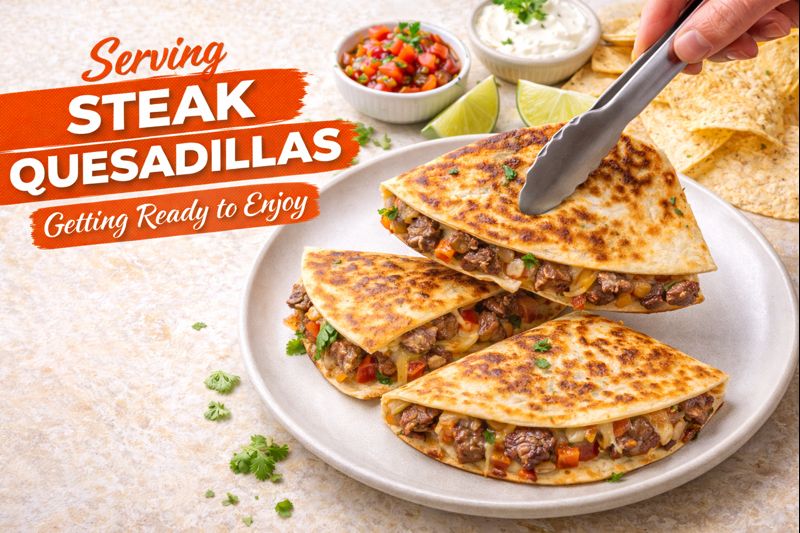
From my years of cooking at home and testing restaurant-style meals, I learned that balance is everything, and that’s exactly why the chipotle steak quesadilla stands out as a favorite; instead of copying fast-food steps, I focus on how heat, timing, and seasoning work together, which is the real secret behind great chipotle steak quesadillas, and when people ask for an easy but bold chipotle steak quesadilla recipe, I always say it starts with respecting the steak, cooking it hot and fast, then letting the smoky chipotle flavor carry the dish while the cheese simply supports it, creating a clean bite that feels indulgent but never heavy, the same way popular restaurants quietly do it.
Copycat Taco Bell Steak Quesadilla at Home
After years of cooking and tasting restaurant copies, I found that recreating a Copycat Taco Bell Steak Quesadilla at Home is all about balance, not just copying steps, and this approach fits perfectly when talking about popular steak quesadillas made at home. I like to marinate thin steak with smoky spices and a light heat, similar to what I use in my chipotle steak quesadilla recipe, because it keeps the meat juicy while cooking fast. The real trick is layering flavor, so I spread sauce evenly, add cheese that melts smoothly, and fold everything tight for a crisp bite. When I cook chipotle steak quesadillas, I always use medium heat so the tortilla turns golden without drying the steak. This method works whether you want one chipotle steak quesadilla for lunch or a pan full for family dinner, and it delivers that familiar restaurant taste with more control and fresher flavor.
Helpful Tips and Frequently Asked Questions
How do you make beef quesadillas at home?
From my time cooking at home and testing many copycat ideas, I’ve learned that great quesadillas come from balance, not stress: use exact measurements, prep ahead, and let heat do the work. Start with one good steak or Steak, seasoned with Montreal Seasoning, seasoning, or bold seasonings like Chipotle to build flavor. Cook it on a hot griddle, stove, or skilletS, then go low so the cheese can melt slowly. I love mixing White cheddar, Monterery Jack, grated from a block—always Shred your own for a richer bite. Add a couple of sliced peppers and onions, and finish with a light Honey Vinaigrette on top if you like contrast. There are no strict rules, which make cooking easier and more delicious; don’t overthink it, just use what you have, keep things ready, and cook using what you love, because using simple steps is my favorite way to let great cheese shine.
Can steak quesadillas be made ahead of time?
From my own experience cooking Steak quesadillas at home and even trying a copycat version I tasted in Montreal, I love how planning ahead can make things easier when There are guests or a busy night; I use a griddle or stove with skilletS depending on one’s kitchen, and after using the exact measurements, I season the steak with bold seasonings and Seasoning like Chipotle, Honey, and a splash of Vinaigrette for richer flavor, then go in with peppers, onions, and White cheese blends such as Jack, Monterery, and cheddar from a block that I Shred myself because it melt better and tastes more delicious; if you don’t rush, use a couple minutes per side, top with cheese, let everything melt, and once ready, you can store them so no stress later—just reheat using the stove for best results, a method I have come to love over time.
What’s the easiest steak quesadilla for beginners?
From my own kitchen time, I’ve found that the easiest way to make quesadillas is to keep things simple and forgiving: start by using a stove with a flat griddle or skilletS, use a couple of peppers and onions, and cook them ahead so everything is ready when you go to assemble; I love this method because There are no strict rules, exact measurements, or stress—one good Steak, lightly seasoning with Seasoning blends or mixed seasonings like Montreal or Chipotle, gives great flavor every time; don’t overthink it, just Shred a block of cheese such as Monterery or Jack with cheddar for a richer taste, or even White cheese, and let it melt slowly on top; I sometimes use my own favorite copycat Vinaigrette with a touch of Honey to boost flavor, and using this relaxed approach makes it easier to make something truly delicious that you’ll love and want to have again, proving that great results come from understanding how ingredients work together, not from chasing perfection.