 By
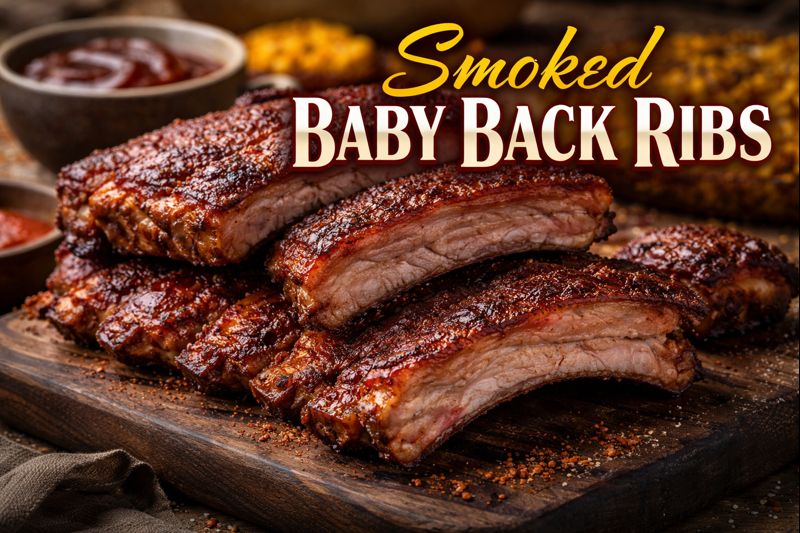
By Smoked Baby Back Ribs have been my all time favorite, and every time I cook them outside, it feels perfect for game day or any day, right until it ends, and y yes, even my wife agrees they are her favorite too; I usually make them on my birthday because it’s always my first request, and this recipe stays simple but delivers perfect baby back ribs that turn out juicy, sticky, a little messy, and incredibly delicious, with deep smoky flavor that makes these smoked ribs best when paired with Cheesy Funeral Potatoes, and I can say from experience they definitely won’t disappoint.
Understanding Baby Back Ribs and Popular Rib Styles
I still remember my first Competition cookout where I start to prepare baby back ribs, and that moment taught me how easy yet worthy this challenge can be when you respect the meat and the process; a full baby back rack shines best when utilizing slow smoking, letting the ribs get gently smoked with layered flavors, beginning with a dry rub you apply by hand, or a wet rub boosted with apple juice, then cook them using the 2-2-1 method, checking halfway as they turn tender, almost fall off the bone, ready for a tangy and sweet punch of BBQ sauce that becomes your favorite sauce, especially in southern style barbecue, where this classic recipe is all about balance; I always pair my serving with a simple side like coleslaw, mac and cheese, or potato salad, because great ribs deserve comfort food that lets their flavor lead.
How Baby Back Ribs Compare to Other Pork Rib Cuts
From my years around the pit, I’ve learned that baby back ribs shine in Competition because they are easy to prepare, worthy of any challenge, and quick to start compared to other ribs, especially when smoked low and slow; a full baby back rack takes smoking beautifully, and when I apply a balanced dry rub or even a wet rub boosted with apple juice, the flavors build fast and deep, making this recipe a favorite for both backyard and classic barbecue fans who want fall off the bone, tender meat without the long cook times of bigger cuts, often utilizing the 2-2-1 method and brushing halfway with BBQ sauce for a sweet, tangy, punch of sauce that fits southern style traditions; I love to pair them with a side like coleslaw, mac and cheese, or potato salad, because proper serving matters just as much as the ribs themselves, and this balance is what keeps baby backs ahead of other pork ribs on my smoker.
Choosing the Right Rack for Your Cookout
From my years around the pit, whether it’s a backyard barbecue or a friendly Competition, picking the right baby back rack makes a real challenge feel easy because good baby back ribs almost start cooking themselves; I usually prepare them by apply a balanced dry rub or a bold wet rub, then utilizing slow smoking so the ribs come out smoked, deeply rich in flavors, and always worthy of sharing, and my go-to recipe follows the 2-2-1 method, where I cook low and slow, spritz with apple juice at halfway, and finish with my favorite southern style BBQ sauce for a tangy, sweet punch of sauce that helps the meat turn tender and fall off the bone, a truly classic result I love to pair with a side like coleslaw, mac and cheese, or potato salad when serving friends who just want honest, satisfying ribs straight off the smoker.
Essential Equipment for Smoking and Grilling Ribs
When I first started smoking ribs at home, I learned quickly that the right tools make all the difference, and this is where smart preparation meets great flavor; using Pit Boss Rib Prep Tool helps remove the membrane cleanly, Aluminum foil locks in moisture during slow cooking, and a steady setup keeps ribs tender whether you grill or smoke them, so from hands-on experience, having reliable equipment saves time, improves texture, and lets you focus on enjoying the process instead of fixing mistakes mid-cook.
Pellet, Charcoal, Electric, and Vertical Smokers Explained
When I think about ribs, I always start with the smoker type because it quietly controls flavor, effort, and consistency; Pellet smokers are great if you want steady heat and mild smoke with less babysitting, Charcoal smokers reward patience with deeper smoke and bark, Electric smokers keep things simple for beginners, and Vertical smokers save space while holding heat well, which matters when ribs cook low and slow, and no matter which route you take, small tools make a big difference—wrapping ribs in Aluminum foil helps lock in moisture, a solid Rib Prep Tool speeds up membrane removal and trimming, and from my own weekend cooks, pairing these basics with a reliable brand like Pit Boss keeps the process smooth so you can focus on timing, smoke balance, and that tender bite rather than fighting the equipment.
Top Smoker Brands Pitmasters Trust
Top Smoker Brands Pitmasters Trust are the backbone of great ribs, and from my own weekends tending the fire, I’ve learned that consistent heat and clean smoke matter more than fancy tricks, which is why brands like Pit Boss stand out when you want reliable results while smoking and grilling ribs; pairing a solid smoker with smart tools changes everything, such as wrapping ribs at the right moment with Aluminum foil to lock in moisture and deepen flavor, or using a Rib Prep Tool to remove the membrane cleanly so rubs and smoke penetrate evenly, and when these essentials work together, the process feels controlled yet relaxed, letting you focus on timing, texture, and taste rather than fighting the equipment, which is exactly what pitmasters look for when choosing gear they trust.
Ingredients That Build Competition-Level Flavor
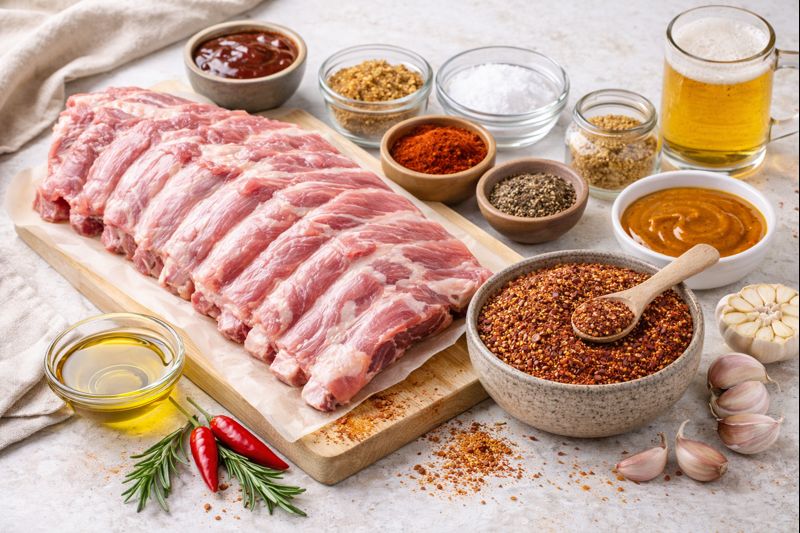
Apple wood is where I start when dialing in serious BBQ flavor, because from years at the Pit I’ve learned it adds a clean sweetness that judges remember; I mix 2 Cups of Juice with a splash of Whiskey from Kentucky, brush it Back onto each Baby Rib, and let the smoke work slowly as the Sauce tightens, pulling depth from the Barrel notes and locking moisture into the Racks—this balance is what separates a casual cook from a Boss move, and I repeat the process 2 times to make sure every bite delivers the kind of flavor that wins calls at the table.
Dry Rubs, Sauces, and Flavor Enhancers
I always start with Dry Rubs, Sauces, and Flavor Enhancers because this is where real BBQ character is built, and from years at the Pit, I’ve learned that balance beats brute force; a clean rub on Baby Back Rib Racks sets the base, then a smooth Sauce brings it together without hiding the meat, and I often mix 2 Cups of Apple Juice with a splash of Kentucky Whiskey for a light glaze that soaks in while the smoke rolls Back from the Barrel, giving the Rib a deep, honest flavor that judges notice right away, especially when a Pit Boss knows when to stop, because even 2 extra minutes can turn a winning bite into a miss, and the goal is flavor that tastes like it came from experience, not force.
Prepping Baby Back Ribs Like a BBQ Pro
From my own BBQ weekends, I’ve learned that great ribs start before the grill, and this recipe makes it easier by setting up smart steps: first remove the membrane using a paper towel so it can slide off, then pat down the meat on a cutting board, lay the rack bone side up, check the other side, and repeat the same steps next time you cook; I use mustard as a binder and spread it generously with a spoon to cover the surface and what’s underneath, then place the rack on a sheet pan, meat side down or bone side up depending on the side you’re working on, flip once to season evenly with ribs seasoning and your favorite BBQ Rub like Strawberry’s BBQ Rub or classic BBQ Rub, which are locally popular and popular with pitmasters, often found locally or on amazon via an affiliate link that may be commission able; finish by checking the packaging, adding seasoning as needed, setting Strawberry’s blends underneath and on top, and getting ready for the grill knowing each rub was applied with care.
Trimming, Seasoning, and Flavor Layering Techniques
From years of weekend BBQ cooks, I’ve learned that great ribs start simple: I place the rack on a cutting board, bone side up, then remove the membrane by a slow slide, which makes everything easier and helps the ribs seasoning sink in; after a quick pat down with a paper towel, I set the ribs on a sheet pan, meat side down, and add a light binder of mustard underneath, using a spoon to spread it generously, then use my favorite BBQ Rub—sometimes Strawberry’s BBQ Rub or Strawberry’s BBQ Rub when I want that sweet heat—this rub is locally made and locally popular, and I cover every side of the meat and bone, flip to the other side, and repeat the same steps so nothing is missed; next, I check the packaging for the recipe, because some popular blends differ, and if friends ask, I share an amazon link that’s affiliate and commission able, but only because I truly use it myself; once seasoned, I place the ribs meat side down again, let the seasoning set, then flip to the bone side before cooking, following these steps every time for consistent BBQ flavor.
How to Smoke Baby Back Ribs Step by Step
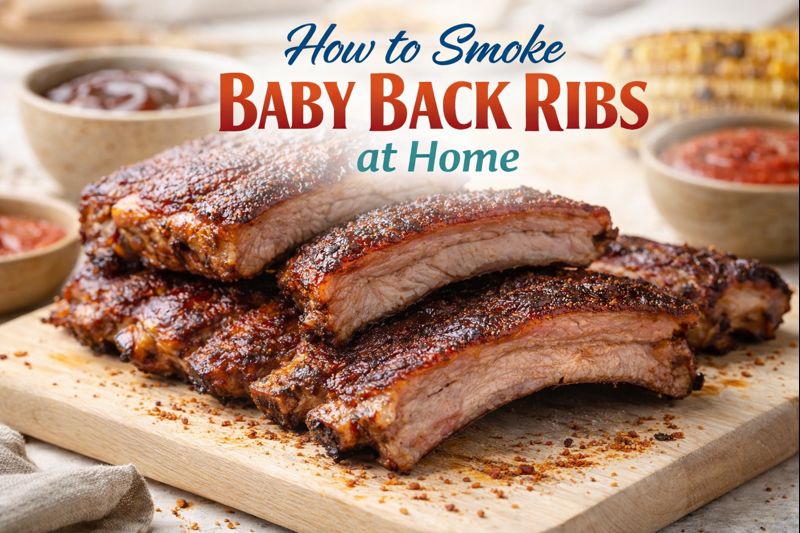
I start smoking baby back ribs by using a preheated pellet smoker set at 250 degrees, watching the smoker temperature closely like I’ve learned from years of cooking, and in the first hour the ribs slowly form a nice bark on the outside while they cook on the top rack with the meat side down, then I spritz with a spray bottle using Cherry Coke or spray and touch them every 30 minutes so they tack up and turn sticky, after about three hours I remove them to a sheet pan, lay down two layers of foil to wrap them into a cozy bed, sprinkle brown sugar, sugar, BBQ rub, add small pats of butter, drizzle honey, pour a little sauce, then wrap tight and leave them wrapped for hour and a half until the center is tender, then I unwrap, place back on the smoker, close lid, brush with my favorite BBQ sauce, let them finish up until saucy and delicious, and when they pull off clean, I allow them to rest, remove from heat, and they are ready, smoked, and a can’t-miss result that always reminds me why I never rush the hour it takes to get them just right.
Smoking Methods Across Different Smokers
I start with a preheated pellet smoker, set the smoker temperature to 250 degrees, and lay down the baby back ribs on the top rack, meat side down, then close lid and let cooking begin; in the first hour, I spritz the outside using a spray bottle with a light spray so the surface can tack up and form a nice bark, repeating this every 30 minutes as the hour passes, and after three hours total smoke, the ribs look smoked and delicious; I remove them to a sheet pan, sprinkle brown sugar, sugar, and BBQ rub, add small pats of butter, drizzle honey, pour a little Cherry Coke, then wrap tight in foil using two layers to make a cozy bed, keeping everything wrapped and sticky; they go place back on the smoker for hour and a half, letting the center cook until tender, then I unwrap, pull off the foil, leave the juices to can touch the meat, allow it to breathe, and brush sauce and favorite BBQ sauce to get them saucy; to finish up, I place back on heat, meat side down briefly, spritz if needed, then pull off when ready, unwrap fully, and leave them to rest so the layers set before serving.
Pellet Grill and Traeger-Specific Techniques
I start by making sure my pellet smoker is preheated and the smoker temperature is steady at 250 degrees, then I lay down the baby back ribs on the top rack, meat side down, outside, and close lid, letting them cook and form a light bark in the first hour, and during that hour I spritz using a spray bottle with a light spray so the surface can tack up without drying, which I allow every 30 minutes as the smoked aroma builds; after three hours of cooking, I remove the ribs, place back on a sheet pan, wrap them in two layers of foil, creating a cozy bed where I drizzle butter in small pats, sprinkle brown sugar, extra sugar, and honey, then pour a splash of Cherry Coke, making them wrapped, sticky, and nice, before they go back on the smoker for about hour and a half in the center, where the meat can soften and turn delicious; next I unwrap, leave the juices behind, pull off the foil, place back the ribs on the grill to finish up, letting the surface dry and get saucy, then I brush on my favorite BBQ sauce mixed with a bit of BBQ rub, keeping a gentle touch so the sauce sets without burning, and once they’re ready, I can say this method always helps me cook ribs that are tender yet structured, with balanced layers of flavor that I never rush but always enjoy from start to last bite.
Smoking Time, Temperature, and Doneness
From my own weekend cooks, I’ve learned that mastering temperature and timing is the real secret to great ribs, so I always start with a preheated grill and keep it steady around 350°F; this helps the meat firm up without letting the sugar in the rub or barbecue sauce burn, and I like to spritz lightly with apple juice as a simple step that adds moisture and flavor. During the cook, I supervise closely and stay close, because knowing when to leave the lid shut and when to return to check matters, especially after the first 15 minutes, when the surface sets and the ribs begin to pull apart easily if they’re done right.
Ideal Smoking Temperatures and Internal Doneness
From years around the grill, I’ve learned that mastering temperature is more about feel than fear: once the cooker is preheated, I like to supervise closely and stay close, especially when working with ribs, because pushing heat too fast can burn the meat before it has time to firm up; keeping things steady near 350°F helps the fat render while the surface caramelizes, and a light mop of apple juice mixed with a little sugar keeps the meat moist without washing away flavor, then at each step I’ll leave the lid shut, return only after 15 minutes, and check if the probe slides in easily, which is my cue to brush on barbecue sauce and pull it before the sugars scorch.
Time Guidelines at 225°F and 250°F
From my own backyard smokes, I always start by respecting temperature, because at 225°F and 250°F the clock matters more than rush, so I keep the smoker preheated, put the ribs on, and treat every step with patience while I supervise and stay close, knowing that even a quick leave can cause meat to burn if things spike toward 350°F; I lightly spritz with apple juice to balance sugar levels, let the surface firm up, and after about 15 minutes of glazing with barbecue sauce, I sometimes return the rack to the grill just long enough so the meat bends easily without tearing, which tells me doneness is near and experience—not guesswork—is guiding the timing.
Alternative Ways to Cook Ribs Without a Smoker
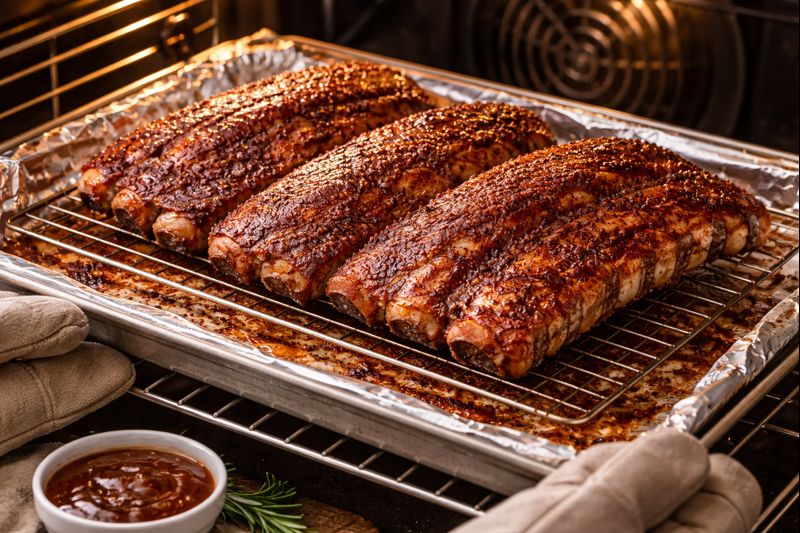
When I don’t have a smoker, I still get tender ribs by keeping things simple and controlled. At home, I often switch between baked ribs and cooking ribs on the grill, depending on time and weather. For beginners, a clear baked ribs recipe works best because the oven gives steady heat, especially for baby back ribs oven style, where slow baking ribs makes the meat soft and juicy. On busy weekends, I like how to cook ribs on the grill using indirect heat, which adds light char without burning. From years of trial and error, I’ve learned that foil, patience, and seasoning matter more than smoke, and these methods prove you can make great ribs anywhere.
Oven-Baked and Grill-Finished Ribs
When I want tender baked ribs without a smoker, I start slow in the oven and finish hot on the grill, a method I’ve used for years when space or weather was an issue; this hybrid approach turns a simple baked ribs recipe into something bold because baking ribs first locks in moisture, especially with baby back ribs oven style cooking, then a quick grill session adds that char people crave, which is exactly how to cook ribs on the grill without drying them out, and by controlling heat and timing, cooking ribs on the grill becomes less about guesswork and more about texture, balance, and confidence built from real kitchen experience.
Exploring Other Rib Styles and Recipes
Alabama Pork Rind Nachos were the dish that first made me realize how wide the world of ribs and pork recipes really is, because this crunchy, bold plate opened my eyes to flavors that go far beyond classic ribs, and from there I began experimenting with 3-2-1ST.louis Ribs for their balance of tenderness and timing, pairing them with sauces inspired by Wicked BBQ&Almirola Family Cuban Stuffed Porked loin, which taught me how stuffing, slow cooking, and layering spices can completely change the eating experience, and by mixing these ideas together I learned that ribs are not just about sauce or smoke, but about culture, texture, and creativity, something I now apply every time I test a new rib style or pork recipe in my own kitchen.
Spare Ribs, Beef Ribs, and BBQ Classics
Spare Ribs are where I always start when I want deep flavor, and over the years I’ve learned that slow cooking, like 3-2-1ST.louis Ribs, brings balance between smoke and tenderness, while Beef Ribs deliver a richer bite that feels bold and hearty. I often mix classic BBQ ideas with playful plates such as Alabama Pork Rind Nachos, which add crunch and surprise, and I keep things grounded with trusted flavors inspired by Wicked BBQ&Almirola Family Cuban Stuffed Porked loin, a dish that taught me how pork and spice can work in harmony. These BBQ Classics show how ribs can move beyond the usual grill routine, turning simple cuts into memorable meals through smart seasoning, patience, and a bit of personal creativity.
Serving, Pairing, and Presentation Tips
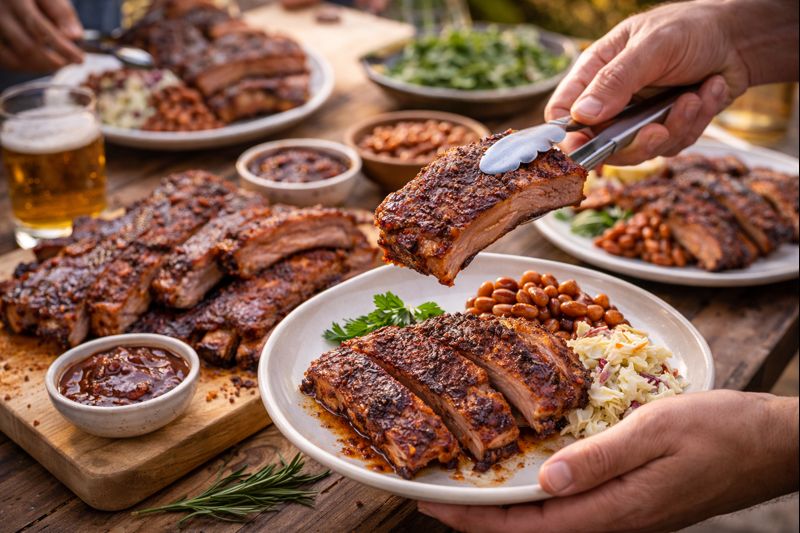
From my own time cooking Baby Back Ribs on a smoker, I have learned that great food is not just about taste but also about serving, pairing, and presentation, especially when ribs are smoked until tender and served well with the right sides. I like to serve them cut clean, brushed lightly with olive oil, garlic, salt, pepper, paprika, and a touch of powder, then balance the plate with vegetables like carrots, broccoli, zucchini, peppers, and red onion, sometimes stirred gently in oil for a simple finish. For pairing, I often take any mix of veggies, roasted Potatoes, or even Cheesy sides, because fresh colors improve presentation and make the meal feel special, even at a casual Funeral gathering where food must be comforting. I always use smoked peppers and a hint of salt to tie flavors together, ensuring the final serving feels thoughtful, balanced, and inviting.
Side Dishes, Sauces, and Beverage Pairings
From my own kitchen trials, I always plan serving and presentation by thinking of balance first, so I start with pairing ideas that let ribs and Ribs shine while smart sides do quiet support; I usually serve smoked meat fresh from the smoker, served well and tender, with simple bowls of vegetables and veggies like zucchini, broccoli, carrots, and peppers, lightly cut and stirred in olive oil with garlic, onion, salt, pepper, paprika, and a pinch of powder heat for red color; for comfort, I sometimes take Potatoes Back to basics or add Cheesy notes for contrast, and when friends bring Baby plates to share—yes, even after a long Funeral day—these flavors feel right; I use what fits any mood, letting sauces rest so the meat stays the star, and every serving feels thoughtful without fuss.
Expert Pitmaster Tips for Fall-Off-the-Bone Results
From my pit days, I learned that fall off the bone starts with respect for your favorite cut, usually ribs like baby back from a two pack at Sam’s Club. I keep it simple: season with BBQ Rub—I like Strawberry’s BBQ Rub when I’m not shy—then slow cooking is the key. I cook them covered in foil, add a light spray of Cherry Coke or root beer, and let time work: an additional hour, then an additional 30 minutes to set the bark. I finish with BBQ Sauce, often Sweet Baby Ray’s BBQ Sauce, until they’re perfectly done. To test, I grab a pair of tongs, pick up the rack, and bend it; when the bones pull right out with a loose arch and no breaking, you know you nailed it.
Common Mistakes and How to Avoid Them
Early in my cooking days, I learned that rushing the cook or being shy with flavor can ruin even your favorite cut, so start strong by seasoning ribs, especially baby back, with a balanced BBQ Rub like Strawberry’s BBQ Rub, then let patience lead; many people overuse BBQ Sauce, but I wait and finish with Sweet Baby Ray’s BBQ Sauce so the bark does not burn, and when I buy a two pack from Sam’s Club, I always spray during the smoke with Cherry Coke or root beer to keep moisture locked in, then wrap the meat covered in foil once the color sets, because skipping this step keeps the bones tight instead of letting them pull right out; if the meat feels tough, I give it an additional 30 minutes, and sometimes an additional hour, and to test doneness I use a pair of tongs to pick up the rack and gently bend it into a loose arch, watching for the meat breaking clean while staying juicy, which is how I know it is perfectly done and truly fall off the bone.
BBQ Culture, Inspiration, and Regional Legends
I first fell in love with BBQ through inspiration, not recipes, watching pits burn low and slow and learning how stories travel with smoke, from backyard cooks to roadside legends; that feeling still guides how I see BBQ culture today, where places like up in smoke bbq show how patience builds flavor, dave’s bar bq proves tradition can survive trends, dustins bbq reminds me that hands-on craft always beats shortcuts, and pork barrel bbq reflects how regional pride shapes every bite, blending local wood, sauces, and techniques into living legends that feel personal, honest, and deeply connected to community, memory, and the shared joy of gathering around fire and food.
Iconic BBQ Joints and Flavor Influences
Growing up around backyard pits and long smoke sessions, I learned that BBQ is shaped by places and people, not just recipes, and iconic joints prove that every region leaves a mark on flavor and technique; at up in smoke bbq, the slow burn and deep smoke show patience, while dave’s bar bq highlights bold rubs that wake up the meat, and dustins bbq reflects a hands-on style where pitmasters trust feel over timers, as pork barrel bbq brings balance with sauces that respect the meat instead of hiding it, and together these legends inspire how BBQ culture travels, adapts, and stays rooted in local pride, stories, and shared meals that keep the fire going.
Related Pellet Grill & Traeger Favorites
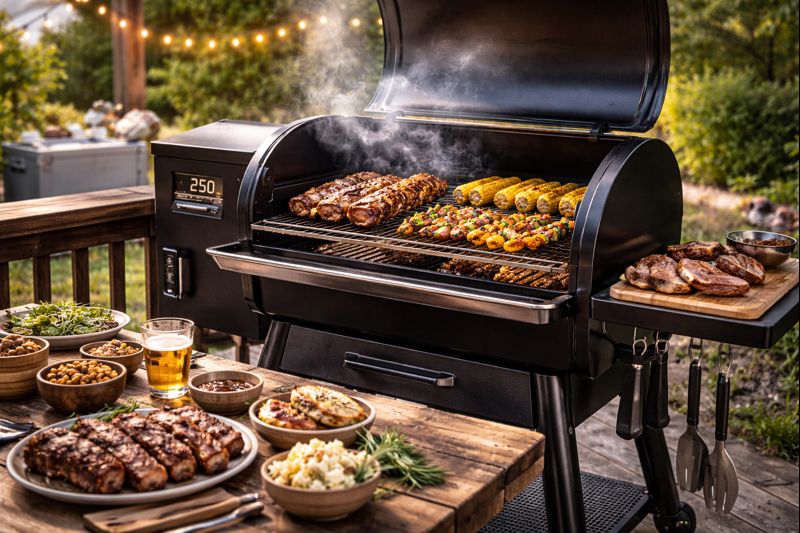
Starting with Traeger classics, I still remember my first traeger pulled pork turning out tender after a slow, steady cook, followed by a weeknight win with traeger salmon that picked up a clean, smoky flavor without much effort, and later a fun backyard cook where traeger beer can chicken stayed juicy and crisped perfectly; these experiences taught me how versatile pellet cooking can be and why I now rely on pellet grill recipes to balance flavor, control, and simplicity, whether I am cooking for family or experimenting with new favorites, because the steady heat, light smoke, and hands-off style make every meal feel confident and repeatable.
Popular Non-Rib Smoker Recipes
From my own weekend cooks, I’ve learned that variety is what keeps outdoor cooking exciting, and this is where pellet grill recipes really shine, especially when you move beyond ribs and lean into everyday favorites that still feel special; for example, slow and juicy traeger pulled pork has been my go-to for family gatherings because it’s forgiving and full of smoky depth, while traeger salmon is perfect when I want something lighter but still rich, picking up wood flavor without drying out, and on casual evenings, nothing beats traeger beer can chicken, which stays incredibly moist and draws people in with its aroma, all of which naturally fit into the broader idea of discovering Related Pellet Grill & Traeger Favorites through simple, repeatable cooks that balance flavor, ease, and real-life results.
Frequently Asked Questions
From my years of cooking BBQ, I explain ribs in a simple way: I cook baby back ribs like my favorite method, where Sweet Rub meets Sauce, the meat fall off the bone after an hour, the bones start breaking, the bark forms at the right bend and arch, and the taste pairs perfectly with Cherry, Strawberry’s, Coke, or beer when you want real flavor without being shy.
How do I smoke ribs on a pellet grill without drying them out?
I usually cook baby back ribs low on a BBQ, use a Rub, Cherry pellets, and spray every 30 minutes so the meat does not dry off.
When the meat pull back from the bones, passes the bend test with tongs, and stays juicy under foil, the ribs are done and fall perfectly tender.
What’s the best recipe for beginners smoking ribs for the first time?
I usually buy baby back ribs from Sam’s or Club, two racks right to cook, picked with a favorite Rub, not shy, pack it like you want strong bark, then cook an hour, spray Coke or beer, keep them Sweet, never drying out, use tongs to test the bend, arch, and pull from the bones.
Can I safely make mustard gas at home?
No—absolutely not; as surely as baby back ribs usually fall off the bone when done perfectly, mustard gas is never safe to make, use, or spray, not in a Club, Sam’s, or Ray’s fantasy, and not with spray, pack, or cut tricks.
Think of food instead: Cherry, Strawberry’s, root, bark, arch, pair, picked flavors, bones, pull, loose, shy heat, additional spice—cook them right, also like your favorite style, but keep chemistry off the table.
Are baby back ribs a smarter cut than other pork ribs?
From my cooking experience, baby back ribs have less fat on the bone, so they usually cook perfectly without much trimming, and the bones bend in a clean arch when done.