

 By
By From years of home cooking, I’ve learned that comfort-style food works best when it feels familiar, and this easy dinner recipe proves that simple cooking can still feel special for dinner; this one pan idea uses chicken and rich gravy made with cream of chicken soup, and it doesn’t use extra seasoning packets, because most of the ingredients are ones you probably already have, which makes it quick and stress-free when the whole family is hungry, as most recipes call for more steps than needed, but here the key ingredients come together smoothly, creating a delicious family meal that I often make this recipe for guests since everyone really likes how it’s served over warm mashed potatoes, paired with soft rolls and sweet corn, turning a simple night into a cozy meal that feels planned without effort.
Why Chicken and Gravy Is a Timeless Comfort Dish
In my own kitchen, I learned early why chicken and gravy never leave the rotation on busy weeknights: it is easy, quick, and deeply comforting, yet still feels like real food made with care; when I make this recipe, I start by searing the chicken in a hot pan with a little butter until brown, then I build the gravy from the drippings, bits, flour, and broth, adding simple seasoning to keep the flavor hearty and delicious, which makes it perfect for a family dinner; I’ve had versions from KFC when I order out, but homemade is still the best because I can keep the calories and health balance reasonable, and that’s why this dish stays a regular favorite that always feels special, even when life moves fast.
Midwest and Southern Roots of Gravy-Based Meals
Growing up around busy family tables, I learned that Midwest and Southern cooks turn simple food into something comforting by knowing how to make gravy the right way, especially with chicken on weeknights when dinner needs to be quick and easy; the recipe often starts with searing meat in a pan, saving the drippings and bits, then adding butter and flour to go brown, followed by warm broth and careful seasoning, which creates a hearty, delicious result that feels like the best kind of home cooking, even if you once learned the basics by watching a KFC order come together; I still keep this meal in my regular rotation because it balances reasonable calories with real health value, proves that comfort does not have to be complicated, and shows how tradition adapts when life gets full but you still want a plate that feels right.
Personal Experience Cooking Gravy for Family Meals
On busy weeknights, I always start with searing chicken in a hot pan, because those brown bits and drippings are the heart of a hearty gravy I make with butter, flour, and warm broth, turning a simple recipe into comforting food that feels better than KFC and works as a quick and easy dinner; I stir in gentle seasoning, keep an eye on calories and health, and still get a delicious result that earns a regular spot in our meal rotation, since it is the best balance of taste and effort, and when we order out instead, this homemade version feels more reasonable, richer, and more satisfying for the whole family.
Ingredients That Make a Flavorful Gravy
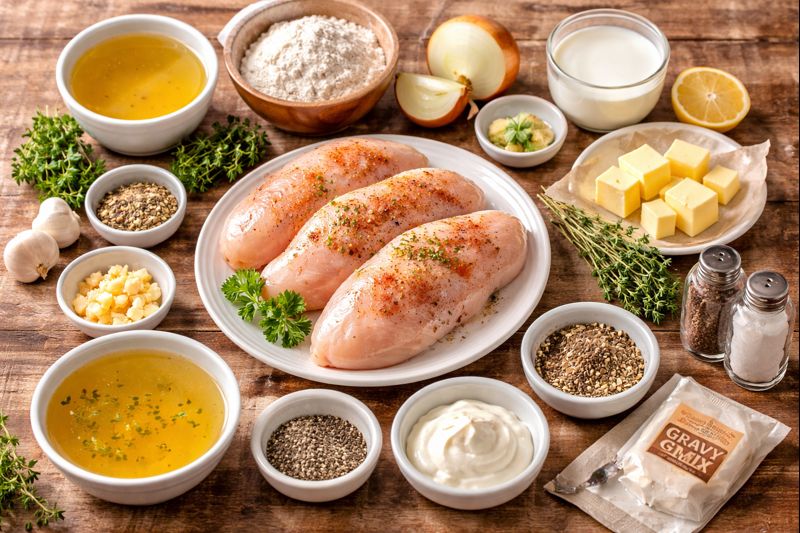
From my own kitchen, I’ve learned that great gravy starts directly in the pan, where frying boneless, skinless chicken breasts or cutlets in olive oil or butter builds a savory base; a pinch of salt and pepper with the right seasoning lets the flavor infuse early, while onion and garlic turn fragrant and add a deep dimension that always makes the dish pop. To thicken things, I rely on a classic roux made with all-purpose flour, sometimes swapping in another fat for a special touch, then whisking in warm broth for freshness and quality I don’t get from a jar, though it can be convenient when time is tight. I often blend dried herbs, italian parsley, and a hint of powder from my pantry, because these numerous staple items lift the sauce without fuss; after two careful stirs and a single taste test—my own recommended rule after 4 minutes—I adjust with optional extras to suit different recipes, proving that thoughtful making turns simple chicken gravy into something memorable.
Choosing the Right Chicken for Gravy Dishes
When I am making gravy, I always start with quality chicken, because it builds the base of the sauce and sets the flavor early; I prefer boneless, skinless breasts or cutlets, sometimes another recommended option is single 4 thin pieces for even frying in a pan with olive oil or butter, which helps lock in freshness and creates a savory taste that can infuse the broth directly. From my experience, a good seasoning of salt, pepper, garlic, and onion adds depth, while herbs like parsley, italian, and dried mixes bring a fragrant dimension that makes the dish pop. To thicken the gravy, I rely on two pantry staple items, all-purpose flour and powder, blending them into a smooth roux with oil, then I blend slowly to avoid lumps; this step is optional but convenient when you want control instead of using a jar. Over time, I learned that small details matter in recipes, and this method uses numerous simple items from the pantry to create a special gravy that feels homemade and rich every time.
Pantry Staples and Smart Ingredient Swaps
Pantry thinking has helped me more than fancy tools, because when I am making a savory gravy at home, I rely on staple items that always work together: start with butter or olive oil in a hot pan, add onion and garlic until fragrant, then stir in all-purpose flour to build a smooth roux that will thicken the sauce base directly and evenly; this method, which I learned from simple recipes, works for chicken broth and even for italian-style gravies when I blend dried herbs, parsley, pepper, and salt for balanced seasoning and real flavor dimension. For quick meals, I sometimes use a jar option, but adding freshness with powder spices, a touch of quality fat, or another splash of broth helps the taste pop; this is recommended when cooking boneless, skinless chicken breasts or cutlets during light frying, where the gravy can infuse the meat with depth. I have tested numerous swaps, and I find two things matter most: keep it simple with a single focus, and treat extras as optional, like a special herb mix or 4 cloves of garlic, because good gravy is convenient, flexible, and always adds comfort from the pantry to the plate.
Essential Equipment for Cooking Chicken and Gravy
I always start with the instant read meat thermometer, because in my home kitchen it is the one tool that helps me get perfectly cooked chicken without stress, especially when making gravy that depends on well-juiced meat. This simple tool helps ensure the internal temperature of chicken reaches 165F, which is the safe internal temperature for serving cooked chicken with confidence every time. From my experience, a good thermometer does not need to be fancy; it can be inexpensive yet reliable, and it saves you from dry, overcooked meat while keeping flavor locked in. When you know the exact internal temperature, you cook smarter, waste less, and enjoy better results at the table, just like I have learned through years of daily cooking.
Tools That Make Gravy Easier for Home Cooks
From my own kitchen experience, gravy becomes stress-free when the right tools guide the process, especially while handling chicken and its juices; I always keep an instant read meat thermometer close because it helps ensure the internal temperature hits 165F, which is the safe internal temperature for meat, giving me perfectly cooked chicken every time without guessing, and this simple habit saves cooked chicken from turning into overcooked meat while keeping the texture rich for gravy, and the best part is that this tool is inexpensive yet reliable, making it easier to trust the process, respect the internal temperature, and focus on flavor instead of worry.
Preparing Chicken Before Cooking

From my own preparation and food prep routine, I always start by gathering all ingredients needed for the dish, because smart kitchen prep makes cooking smoother. When starting preparing chicken, especially poultry like raw chicken, I focus on clean prep before making any gravy. I measure and measuring seasonings early, even without exact measurements, because balance matters more than stress over measurements. For cutting, I work with chicken breasts, slicing the breasts in half to make them thinner, since cutting chicken this way can help the meat cook quickly. Once I cut, I go ahead and season as part of the process: I season chicken on both sides, adding a little bit of salt, pepper, and garlic powder. I use simple flavors and don’t use heavy sauces at this stage, because proper seasoning helps thinner chicken cook quickly and stay juicy on all sides, which is something experience teaches you every time you step back into the kitchen.
How to Cook Chicken on the Stove Safely
From my own preparation and years of kitchen prep, I always begin preparing chicken with smart food prep, because good prep makes cooking easier and helps the dish turn out right; when starting, I focus on gathering all ingredients needed, especially if I am making gravy, then I measure and measuring seasonings with care, even without exact measurements, because this part of the process matters; I start by cutting raw chicken, usually chicken breasts, and I split the breasts in half to make them thinner, since cutting chicken this way can help it cook quickly, and once they are cut, I go ahead and season with light seasoning on both sides, adding a little bit of salt, pepper, and garlic powder, which I use often but don’t use too much of; when I season chicken, I remember this is poultry, so safe kitchen prep is key, and thinner chicken will cook quickly and evenly on the stove, making the whole preparing and cooking process smoother and safer.
Boiling, Shredding, and Prepping Chicken for Gravy
When starting my kitchen prep, I focus on preparing chicken the right way for smooth cooking, especially when making gravy, so I begin by gathering ingredients needed for the dish, then measure and measuring seasonings before I start cutting chicken breasts into half to make thinner pieces, because cutting chicken this way can help it cook quickly, and once the cut is done, I go ahead and season with light seasoning on both sides, adding a little bit of salt, pepper, and garlic powder without worrying about exact measurements, as these measurements are just one part of good preparation, since I use my hands for even coverage and don’t use heavy spice early, then I season chicken again later if needed, which helps it cook quickly and stay juicy, a trick I learned during years of food prep with poultry, especially when handling raw chicken during busy prep days in real kitchen prep routines.
How to Make Chicken and Gravy Step by Step
In my kitchen, I start by using a skillet or pan on medium heat, add olive oil and butter, then cut chicken cutlets, season with salt, pepper, Italian seasoning, and onion powder, and pan fry until golden and fully cook through, then transfer to a plate; in the same pan, melt remaining butter, sprinkle flour to form a smooth roux, stir with a whisk while adding broth slowly until dissolved, letting the sauce gently bubble as it thickens, adjust with a little water if you like it thinner, measure 1 tbsp carefully, then bring the returning chicken back to the homemade gravy so the flavor soaks in, garnish with fresh parsley, and remember I learned this balance after 4 tries, where patience and steady stirring made all the difference.
Making Chicken Gravy From Broth or Scratch
In my kitchen, I start using a hot skillet over medium heat with olive oil and butter, then I pan fry seasoned chicken cutlets that I cut evenly so they cook through, and once golden I transfer them to a plate; in the same pan, I add remaining butter, sprinkle flour, stir and whisk to form a smooth roux, then slowly adding broth until fully dissolved, adjusting with salt, pepper, onion powder, and Italian seasoning, letting the sauce gently bubble until it thickens to a thinner or rich style homemade gravy as you like, then returning chicken for 4 minutes so flavors meld, finishing with 1 tbsp butter, a fresh parsley garnish, and serving straight from the pan—this method, learned after years of trial, keeps the gravy silky and the meat juicy every time.
Crockpot and Slow-Cooked Gravy Options
I like starting this using a warm crockpot, but I still prep flavors first in a pan or skillet because it gives better taste; I heat olive oil and butter, then pan fry cutlets that I cut evenly, season with salt, pepper, Italian seasoning, and onion powder, and let the chicken cook through until golden, then transfer to a plate while I make a quick roux by melting remaining butter, adding flour, stir for 4 minutes, and keep whisking as adding broth slowly so it stays dissolved and smooth; once the sauce gently bubbles and thickens, I pour it into the crockpot for homemade gravy, add 1 tbsp parsley, sprinkle a little more seasoning, place the chicken back by returning chicken, and let it slow cook until the gravy turns rich but not thinner, then I garnish and plate it, which is my favorite way after years of cooking because the slow time builds deep flavor without rushing.
Exploring Different Types of Gravy

From my own cooking work in a home pantry, I see gravy as a basic sauce designed to dress a plate with comfort, built from a pinch of care and smart choices like dried or fresh herbs from the garden, whether ground sage, chopped rosemary, or thyme, all blended to create depth; when I cook boneless skinless chicken breasts, I sometimes swap to chicken thighs because their cooking time can be adjusted, and the thighs stay tender as long as the internal temperature reaches 175F, which changes how the gravy absorbs flavor and turns simple ingredients into something personal and memorable, an approach that also shapes a gentle introduction to how different gravies grow from technique, timing, and the cook’s hand rather than just a recipe.
Brown, White, and Country Gravy Explained
From a basic gravy point of view, these styles feel designed to work with what you already have in the pantry: brown gravy is deep and savory, white gravy is creamy and mild, and country gravy is rustic and comforting, meant to dress food with warmth using a pinch of dried and ground sage or chopped fresh herbs from my garden, like rosemary and thyme, which I often add by instinct from years at the stove; when I make it for weeknights, I simmer it alongside boneless, skinless, chicken breasts, though I sometimes swap to chicken thighs when cooking time needs to be adjusted, because thighs stay more tender and forgiving, reaching an internal temperature of 175F without drying out, a small but learned detail that changes how each gravy shines on the plate.
From Scratch vs Mix Gravy Comparison
I often start with a basic gravy that is designed to work with what I already have in my pantry, because scratch gravy lets me dress flavors gently, one pinch at a time, using dried or ground sage, or chopped fresh herbs from my garden like rosemary and thyme, while mix gravy is faster but less flexible; when serving with boneless, skinless, chicken breasts, I may swap to chicken thighs if I want deeper flavor, knowing the cooking time must be adjusted, as thighs stay more tender and reach the right internal temperature at 175F, which is where a well-made gravy, especially from scratch, truly shows its strength through patience and balance rather than speed.
Biscuits, Potatoes, and Classic Pairings
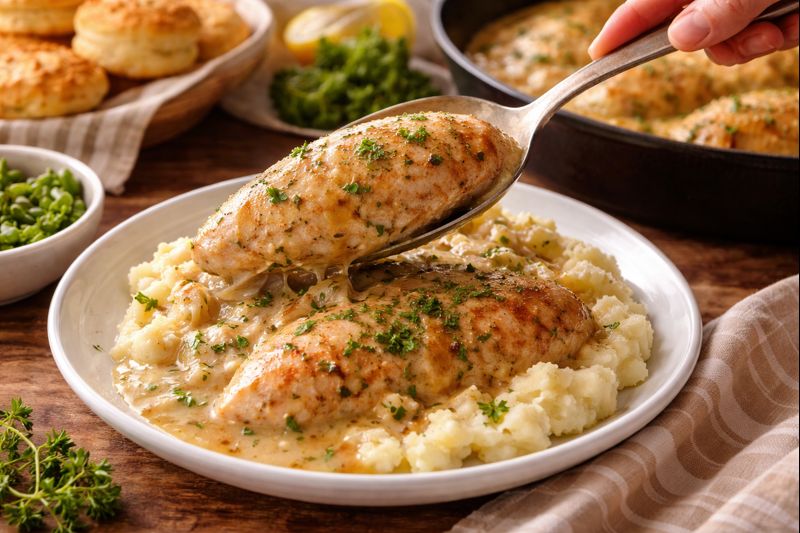
Potatoes are where I usually begin, because a warm bowl of Mashed Potatoes with Butter from a Stick and a little Cream always reminds me of my first restaurant-style job, where I learned how Classic Pairings really work: think Biscuits with a crusty bread edge, Cheese melting into pasta or Noodles, and Rice served two ways—plain rice or rich Rice—to balance a bold sauce you can almost mop up. Over time, these became my favorites, mixing Bacon with green beans, roasted carrots, broccoli, and broccolini, or even Brussels Sprouts for a hearty veggie side. I always include Garlic and extra Butter to keep things Easy and Quick, because the right pairing of sides—like Sprouts, beans, or a fantastic bowl of Rice—turns simple food into something deeply personal, comforting, and timeless.
Biscuits and Gravy Favorites
I always start with Potatoes, because in my personal cooking, Mashed Potatoes with Butter, Garlic, and Cream feel Classic, Easy, and Quick, and they work as comfort sides with rice, Rice, pasta, or Noodles, plus green beans, carrots, broccoli, broccolini, Brussels Sprouts, or any veggie mix I can include, and when I want a restaurant-style touch, I add Cheese or Bacon and a smooth sauce; this same thinking shapes my love for Biscuits, where warm bread with a crusty edge, brushed with Butter or a soft Stick, becomes one of my favorites, especially when used as a pairing for gravy you can mop, making the whole idea of Pairings feel fantastic, simple, and deeply satisfying, just like a balanced plate that brings Classic flavors together without trying too hard.
Mashed Potatoes and Comfort Sides
I always start with Mashed Potatoes because they feel Classic, warm, and truly restaurant-style, and from my personal kitchen experience, a spoon of Butter, a hint of Garlic, and smooth Cream can turn simple food into something fantastic, especially when these sides sit next to Biscuits that are crusty outside and soft inside, creating natural Pairings with bread, Cheese, or a sauce made to mop the plate clean; I like to include Bacon, green beans, Brussels Sprouts, broccoli, or broccolini for a fresh veggie balance, sometimes adding carrots or Sprouts, while Rice, rice, pasta, or Noodles work as a Quick and Easy pairing when I want variety, and a Stick of Butter with Classic flavors, plus favorites like beans, Rice, or even Biscuits, keeps these comfort sides feeling familiar without ever feeling boring.
Variations Using Turkey, Canned, and Store-Bought Chicken
I often start with turkey because leftover turkey and gravy is easy to turn into comfort food, and a simple gravy recipe turkey taught me that flavor comes from balance, not effort; from there, I blend ideas using pantry staples, where canned chicken recipes save time on busy nights while store-bought chicken adds structure and texture, letting you swap proteins without changing the soul of the dish, and in my own kitchen, this mix has helped me cook smarter by using what I have, adjusting seasoning gently, and keeping meals familiar yet flexible for different tastes.
Turkey-Based Gravy and Meals
Turkey-Based Gravy and Meals are where I lean when time is short, and from my kitchen experience, a reliable turkey gravy recipe does not always need fresh drippings to taste rich; I often build turkey gravy using canned or store-bought chicken stock, then follow a classic gravy recipe turkey style by slowly whisking flour and fat for smooth texture, and when friends ask how to make turkey gravy fast for weeknight dinners, I pair turkey and gravy with leftover roast turkey or even shredded rotisserie chicken, and on busy holidays I confidently serve turkey gravy without drippings by boosting flavor with herbs, pepper, and a splash of stock, which keeps the meal comforting, flexible, and stress-free while still feeling homemade and deeply satisfying.
Easy Meals Using Canned or Costco Chicken
From my own weeknight cooking, I focus on speed and balance, and this is where recipes with canned chicken really shine because they turn pantry staples into filling meals without stress; when people ask what to make with canned chicken, I suggest wraps, warm bowls, or quick salads that gain extra flavor with simple spices, while costco canned chicken works well for batch cooking since the texture stays tender, costco chicken tenders are great when you want a crispy element without deep prep, and costco turkey breast adds a lean, deli-style option that feels lighter but still satisfying, letting you mix and match proteins in one plan while saving time, money, and effort in everyday cooking.
Popular Smothered and Southern Chicken Dishes
Growing up around Southern home cooks, I learned that smothered chicken is not just a dish, it is a method that builds deep flavor with patience and care, using slow heat, rich gravy, and well-seasoned chicken. In many homes, this style sits right beside a classic creamed chicken recipe, which leans smoother and softer, often served over rice or biscuits, showing how Southern cooking balances bold taste with comfort. From my own cooking, I have seen how these dishes turn simple ingredients into something filling and memorable, especially when shared at the table.
Smothered Chicken Variations
When I think about Southern comfort food from my own kitchen experience, I always come back to smothered chicken recipe ideas that focus on slow cooking and deep flavor, because that is where tenderness is born. I have cooked this dish many ways, but the most loved version in my home blends gravy-rich chicken with soft grains, which naturally leads to smothered chicken and rice as a hearty, everyday meal. Another angle I often use is turning the same base into a silkier dish by leaning into a creamed chicken recipe, where onions, pan drippings, and gentle seasoning create a smooth texture without losing the soul of Southern cooking, making each variation feel familiar yet slightly new with every bite.
Potatoes, Rice, and Hearty Add-Ons
Potatoes and rice are where Southern comfort really shows its heart, and in my own kitchen I always start here before the chicken even hits the pan, because smothered potatoes soaking up slow-cooked gravy turn a good meal into a filling one, while soft rice balances the bold flavors that define chicken and potatoes on a Southern table. Instead of treating these as simple sides, I layer onions, spices, and pan drippings so every bite feels connected, which is something I learned growing up watching family cooks build meals from the bottom up. This approach keeps the plate warm, rich, and satisfying, and it highlights how hearty add-ons are not extras at all, but the foundation that makes popular smothered and Southern chicken dishes feel complete and memorable.
Tips for Seasoning and Cooking Chicken Perfectly
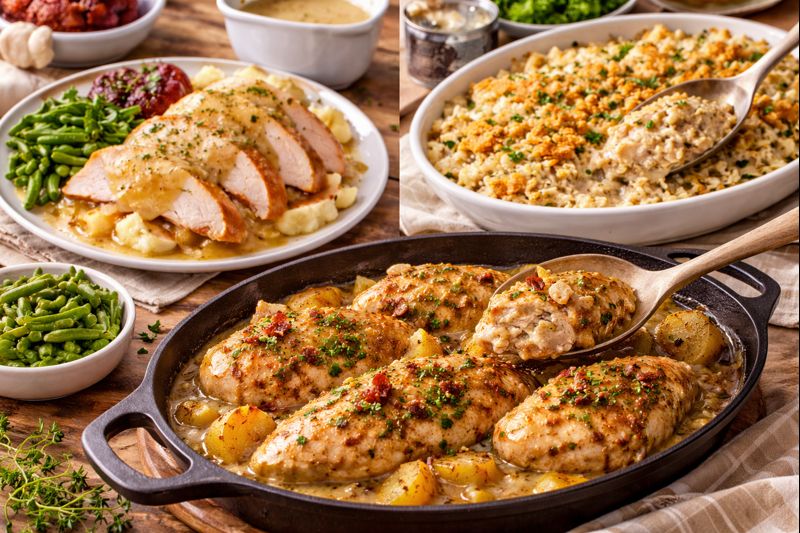
When I cook chicken breasts at home, I always think about portion size first because it changes everything from seasoning to doneness; instead of rushing, I focus on cutting them lengthwise when they are a large size, turning them into half portions for a smaller size that cooks evenly, and if I am feeding guests, I sometimes use four neat pieces rather than uneven chunks, while for quick meals I may leave intact a thinner piece, knowing that uneven pieces mean uneven cooking time, as thick parts are longer to cook and often take longer to cook through the center, which is why controlling the cut has always helped me get juicy, well-seasoned chicken without guesswork.
Seasoning Chicken Like an Expert
From my kitchen experience, great flavor starts with chicken breasts and smart prep: when they are a large size, I prefer cutting them lengthwise into half portions to control portion size, because thick pieces are longer to cook and often take longer to cook evenly; for a smaller size, I sometimes leave intact and simply season deeper, and when feeding family I use four evenly seasoned pieces so the cooking time stays consistent, juices stay locked in, and every bite tastes balanced without guesswork.
Cooking Methods for Different Cuts
When I cook chicken breasts at home, I always think about portion size first because it controls flavor and heat balance; for large size pieces, smart cutting lengthwise turns them into half portions, which helps reduce cooking time. If the pieces are a smaller size, I often leave intact so they stay juicy, but I know they may take longer to cook if they are thick. From experience, thicker cuts are naturally longer to cook, so planning matters more than seasoning alone. For family meals, I sometimes use four evenly shaped pieces to keep timing consistent across the pan or grill. This simple approach keeps seasoning even and ensures the chicken cooks through without drying out.
FAQs About Chicken and Gravy
How Do You Make Gravy at Home?
I cook gravy right after chicken because flavor builds during the cooking process. For gravy texture, I rest the meat, then make shredded chicken using my favorite shredding method.
A Practical Way to Handle Chicken for Gravy?
I always cook chicken until an internal meat thermometer reads 165 degrees and reaches temperature to keep the cooking process safe and reliable.
Easy Shredding for Gravy and Sides?
When I need shredded chicken, my favorite shredding method is two forks, but a hand mixer can also shred chicken fast.
Finishing Touch Before Serving?
After I remove from pan, I place the meat in a big bowl so it’s ready to mix smoothly into gravy or serve on the side.