

 By
By From my own favorite appetizer night at home, I’ve learned that potato skins are one of those easy appetizers that always win, whether it’s game day or a casual serving with friends, because the right potato base helps you make the perfect appetizer—I always start by baking the skins until crispy, then adding a top layer that is fully topped with a bold topping of shredded cheddar cheese, especially shredded cheddar cheese, followed by crispy chopped bacon made from finely chopped bacon, more chopped green onions and fresh green onions, and once they’re hot and ready, I serve them fresh so they are best served with a cool sour cream or classic sour cream, making this potato skins dish the kind of appetizer people remember and always ask for again.
What Makes Potato Skins a Classic Crowd-Pleaser
From years of cooking for friends, I’ve learned that potato skins win people over because they balance comfort and craft: when potatoes are scooped just right, the flesh left inside turns crispy on the outside while staying soft, whether you use an oven, air fryer, or even deep frying; a light brush of butter, a pinch of salt, and garlic powder builds instant flavor, and what’s used from the scooped centers can become mashed sides or a quick soup, which feels smart and satisfying; cooked well, the contrast of textures adds something special, and when guests reheat leftovers, that extra crunch still holds up, reminding me why simple techniques beat fancy ones every time.
From Pub Favorite to Home Kitchen Staple
From my years cooking at home after long pub shifts, I saw how potato skins moved from bar snacks to weeknight heroes because they stay crispy even when made in the oven or air fryer, where a little butter, salt, and garlic build big flavor; the trick is scooping the inside just right so the flesh stays well structured, saving the soft centers for mashed bowls or a quick soup, while the shells shine whether used for deep frying or lighter frying with seasoning powder that adds an extra crunch; I often use leftover potatoes, let them cool, then reheat them in the fryer for guests, and they always ask how something so simple tastes so complete, proving that careful handling of the inside and smart heat can turn a pub classic into an easy home win.
Ingredients and Tools You’ll Need for Perfect Potato Skins
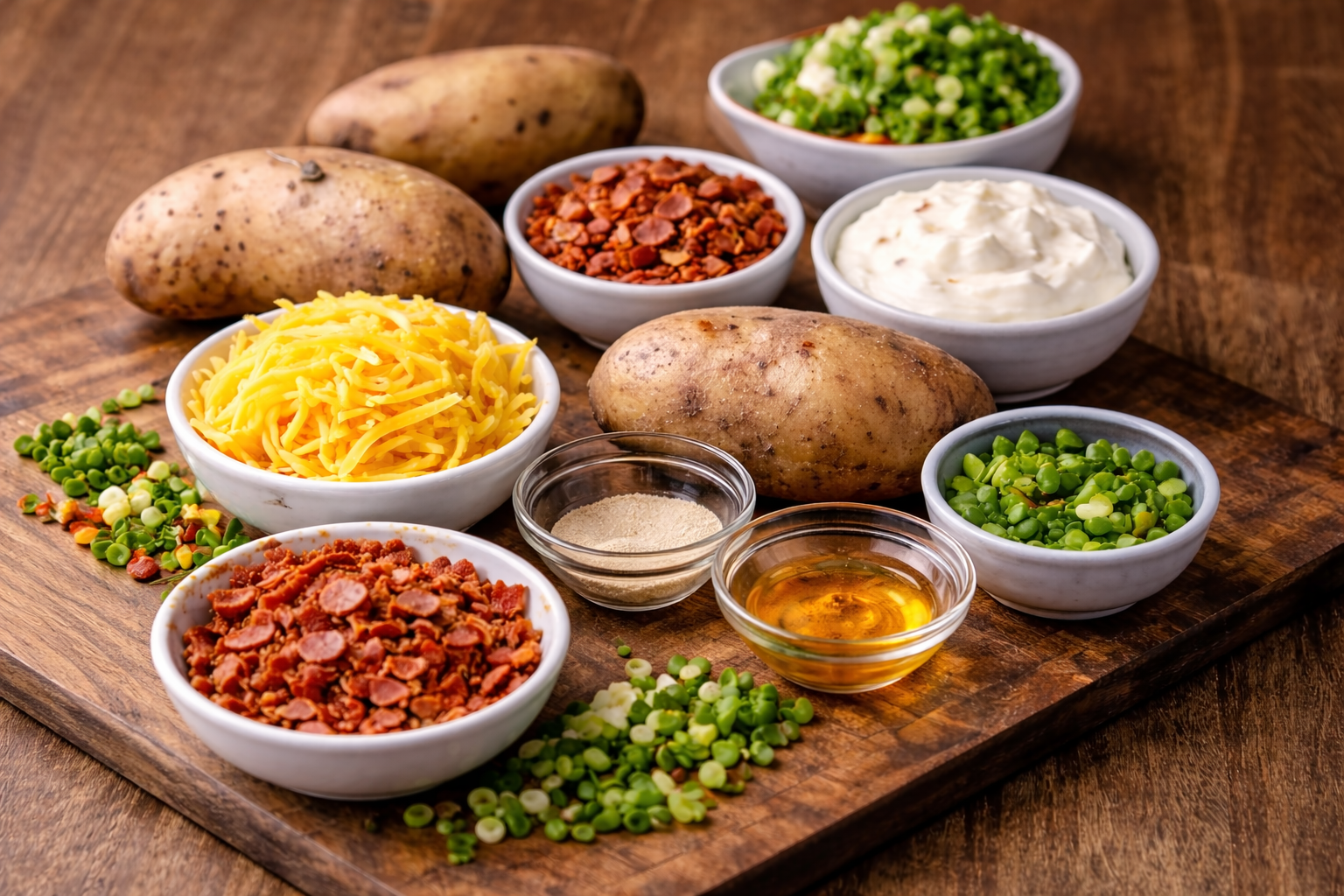
Starting with the tools makes a big difference, and from my own kitchen trials I always choose an Oven and an Air Fryer depending of time and texture, because both handle potatoes well when they are large and evenly cooked; for the base, I use 6 potatoes cut into pieces, brushed with olive oil, dusted with garlic powder, Salt, and pepper, then finished my favorite way with 1 cup of shredded cheddar cheese, crispy bacon, green onions that are finely chopped, and a smooth topping of Sour cream, balancing flavors the way I learned after many test batches, where even small counts like 2 extra pieces matter, and keeping notes like 1, 6, and even 1 6 1 helped me repeat results without guessing.
Best Potatoes, Oils, and Flavor Boosters
From my kitchen experience, choosing potatoes matters most, so I always pick large ones, about 6 per batch, because they crisp better in Air cooking and hold toppings well; I rub each skin with olive oil, sprinkle Salt and pepper, then bake until sturdy, using 1 tray for even heat, 1 rack position, and timing close to 1 cycle for balance. For flavor, I rely on garlic powder, bacon cut into pieces, green onions finely chopped, plus shredded cheddar cheese measured to 1 cup, finished with Sour cream on top, using 2 tools I trust daily, while keeping track of portions so nothing feels heavy, even when I repeat the batch size of 6 for guests.
Optional Equipment for Crispy Results
When I make potato skins at home, I rely on smart tools as much as good ingredients, and a few optional items can really change the result: a reliable Oven gives even heat for steady browning, while a Fryer is perfect when I want extra crunch with less waiting; a sturdy baking tray, parchment paper, and tongs help with control, and I always keep a small brush ready to spread oil mixed with garlic for deep flavor—after years of testing, I’ve learned that having the right setup makes the skins crisp outside, soft inside, and easier to manage from start to finish.
How to Prep Potatoes the Right Way
From my own kitchen cooking nights, I start with potatoes that are large, giving them a quick washing and careful scrubing, then I preheat the oven to 400 degrees while I prep a baking sheet lined with parchment paper on a sheet pan; I lightly grease it, poke the potatoes with a fork to make small holes, and bake until fully baked, about 40 minutes, then remove them to cool, set aside, and drain any steam before slicing into potato skins—after 20 minutes more in the oven, they’re perfectly cooked, ready for bacon toppings, and from experience I know that resting them for 25 minutes on the pan makes the skins crisp without burning.
Cleaning, Peeling, and Skinning Potatoes
From my years of home cooking, I always begin prep by washing and scrubing the potatoes until clean, then remove any rough spots and lightly grease a sheet pan lined with parchment paper or a baking sheet; I preheat the oven to 400 degrees, place the large potatoes on the pan, poke holes with a fork, and bake until fully baked, usually 40 minutes, though sometimes I check at 25 minutes and again at 20 minutes depending on size; once cooked, I let them cool, slice and remove the centers to form classic potato skins, set aside the flesh, then drain any excess moisture, return the skins to the pan, add bacon, and bake again until crisp, a method I rely on because it keeps the skins sturdy and evenly baked without rushing the process.
Make-Ahead Prep and Storage Tips
From my own kitchen routine, smart prep makes potato skins stress-free: start by washing and scrubing the potatoes, then preheat the oven to 400 degrees, grease a baking sheet or sheet pan with parchment paper, place the large potatoes on it, poke holes using a fork, and bake until fully baked—this usually takes 40 minutes total, often split as 20 minutes to get them cooked, then remove, flip, and return for another 20 minutes of even cooking (some ovens finish closer to 25 minutes, so watch closely). Once done, let them cool, slice and drain excess moisture, set aside the skins, add toppings like bacon, and store; when ready, reheat on a sheet pan until hot, and they taste just as fresh as day one.
Step-by-Step: How to Make Potato Skins at Home
From my own kitchen trials, I’ve learned that great potato skins are all about timing, heat, and how you handle them: start with big potatoes, wash, cook, and bake them once in the oven at 400 degrees for 20-30 minutes until fully cooked, let them cool in the air until cooled enough to handle, then scoop the insides with a spoon so they’re scooped clean but don’t break the sides; I always use olive oil to brush both sides, add salt, pepper, garlic powder, and season them nice, then place them back in the oven or air fryer in batches for about 20 minutes until crispy—sometimes I switch to the fryer for extra crunch; After that, I have fun adding cheese, shredded cheddar, chopped bacon, and a couple more minutes until the cheese is fully melted, finishing with toppings on top, because when done right, these potato skins come out crispy, flavorful, and better than most restaurant versions I’ve tried.
Classic Oven-Baked Method
I always start this Classic Oven-Baked Method by preheating the oven to 400 degrees, because steady heat helps cook the potatoes evenly until fully cooked; After that, let them cool until cooled enough to handle, then use a spoon to scoop the insides so the potato skins stay big and sturdy, with the flesh scooped out about a couple of times more gently, placing everything back on a tray with the sides facing up; don’t rush this step, because I’ve learned once you rush, they won’t turn crispy; brush both sides with olive oil, add salt, pepper, garlic powder, and season them nice, then bake for 20-30 minutes (I usually check at 20 minutes) until crispy; place them in batches if needed, even if you also have an air fryer (or air fryer option) for later; After that, add cheddar cheese or shredded cheese on top, some chopped bacon, and slide them back into the oven or fryer until the cheese is melted, which takes about two more minutes, and trust me, doing it this way keeps the skins deeply crispy every single time.
Crispy Skins Using Alternative Methods
After trying many ways at home, I use this method when I want crispy results without stress: start with big potatoes, cook them once until fully cooked, then let them cooled just enough to handle; I scoop the insides with a spoon (or when already scooped, save it for later), keeping both sides strong, and don’t break the skins; brush both sides with olive oil, add salt, pepper, garlic powder, and season it nice, then place them back on a tray and bake in the oven at 400 degrees for 20-30 minutes, flipping once so both sides turn crispy; when short on time, I place them in the air fryer instead, cooking in small batches for about 20 minutes, which gives great crunch; After that, I top with cheddar cheese or shredded cheese, bacon, and a couple tablespoons of chopped toppings, then return to the oven or fryer until the cheese is melted, and in my experience, this potato skins method works every time, whether using air heat or traditional oven heat, and I always have happy results with this simple fryer trick.
Best Potato Skins Recipes for Every Style
From my own kitchen trials and family snack nights, I’ve learned that a good potato skins recipe is all about balance—crispy edges, soft centers, and toppings that match your mood. What makes potato skin recipes so special is their flexibility; you can keep them classic with cheese and herbs or turn them bold with spices and fresh twists, depending on your style. I still remember experimenting with my first recipe potato skins, adjusting heat and bake time until the texture felt just right, and that hands-on experience taught me that even simple ingredients can feel exciting when treated with care and creativity.
Loaded and Stuffed Variations
When I think about comfort food that always works for guests and family, I often start with loaded potato skins because they are crispy, rich, and easy to customize, but over time I learned that mixing ideas from stuffed potato skins brings a deeper, more satisfying bite by layering flavors inside instead of only on top, and from my own kitchen experience, using creamy fillings with bold toppings creates balance, texture, and that homemade feel people remember, especially when you shuffle classic toppings with unexpected ingredients while keeping the focus on generous fillings and well-seasoned potato shells.
Tater Skins and Pub-Style Favorites
From years of cooking snacks for family game nights, I’ve learned that tater skins are all about balance—crispy edges, soft centers, and bold toppings that feel indulgent but familiar. A solid tater skins recipe starts with baking potatoes until the skins turn golden, then layering simple flavors like cheese, herbs, and a light touch of seasoning to keep things honest and satisfying. What makes homemade tater skins special is the control you get: you can keep them classic like your favorite pub order or tweak them to suit your mood, whether that means extra crunch, lighter fillings, or richer bites, all while keeping the process easy, comforting, and true to the style people love.
Oven, Air Fryer, and Quick Cooking Methods
From my own kitchen routine, speed matters as much as taste, so I often switch between an air fryer and an oven to make a simple recipe feel special: I start with whole potatoes or a single potato, cool them slightly, scoop the soft flesh with a spoon, and keep the skins and shell ready to fill again; a quick brush of butter, some crumbled bacon, and melted cheese help everything bake evenly until the top turns bubbly, which is a trick I learned after years of testing fast meals that balance crisp texture with rich flavor without slowing down busy days.
Oven-Only Recipes and Timing
When I focus on oven cooking, I rely on timing and texture, starting with whole potatoes that I bake until the skins turn crisp and the inside flesh feels soft, then I let them cool slightly so they hold their shell shape while I spoon out the center and fill it with butter, cheese, and crumbled bacon; I lightly brush the tops and return them to the oven until the filling goes bubbly, a simple recipe I’ve repeated for years, though on busy days I switch to the air fryer for a faster take on the same potato base, proving that quick methods still deliver rich flavor without losing that homemade feel.
Air Fryer & Time-Saving Hacks
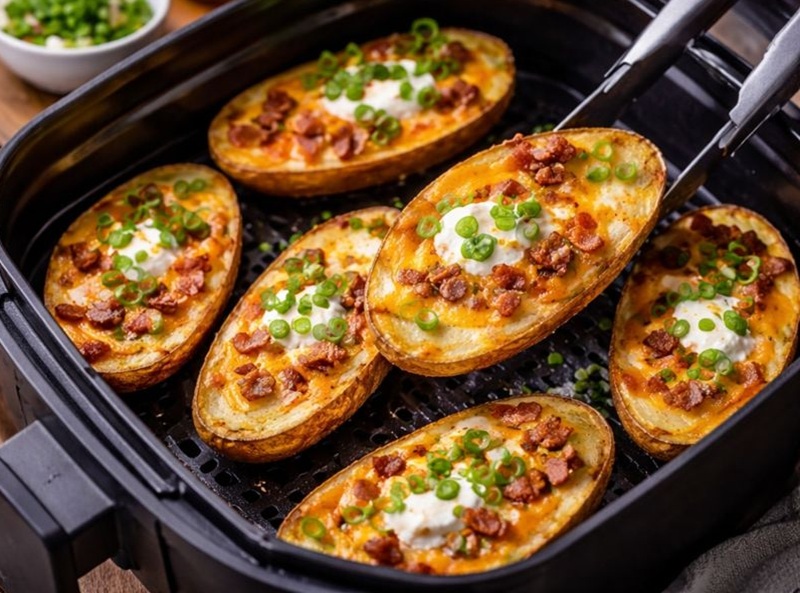
In my own kitchen, this recipe starts with well scrubbed potatoes, poked lightly, brushed with oil, and placed cut side down to bake or air fry after a quick preheat at 400°F, because keeping the right temperature always helps the flesh turn tender while staying crisp outside; when using the air fryer, I set them in the air fryer basket, cook for 35-40 minutes, then return them and do flipping halfway to save effort and keep it time-saving, scoop out some center to make perfect potato skins, mix it with a butter mixture, cheese, and bacon bits, sprinkle it back until everything looks melted and bubbly, then air fry again for 7-9 minutes plus additional 2 minutes, watching closely because even small minutes matter when you want that final golden bite just right.
Creative Ways to Serve and Enjoy Potato Skins
From my own kitchen experience, I’ve learned that potato skins shine most when you stop treating them like other appetizers and instead let them be the star you proudly serve. I like them served hot with a cheesy potato skins twist, loaded with melted cheese, finely chopped green onions, and a generous top of sour cream for balance. Sometimes I pair them with artichoke dip or crockpot spinach on the side, which adds contrast without stealing attention. The key is keeping flavors bold yet simple so every bite feels delicious, whether you’re sharing with friends or enjoying a quiet night in.
Potato Boats, Appetizers, and Party Platters
I often serve potato skins as fun potato boats at gatherings because they feel more creative than other appetizers and are always delicious when done right; I start by filling them with cheese until it’s fully melted, add chopped toppings, and turn them into cheesy potato skins that guests can customize on their own, then I top them with sour cream, green onions, or even a spoon of artichoke dip for variety, and when hosting bigger groups I keep extras served warm using crockpot spinach on the side for dipping, which pairs surprisingly well and makes the whole platter feel generous and experience-driven rather than just another snack.
Restaurant-Style Potato Skins at Home
Making potato skins restaurant quality at home is easier than most people think, and I learned this after years of experimenting in my own kitchen when cravings hit and searching for a spud near me felt unnecessary. Instead of copying what restaurants do, I focus on balance,crispy shells, soft centers, and bold toppings—using simple steps that respect the potato itself. By baking first, seasoning early, and finishing with high heat, you get that familiar crunch and comfort without deep frying, and the result honestly rivals what I’ve paid for many times while dining out, especially when shared hot from the oven with friends.
Texas Roadhouse-Inspired Tater Skins
When I first tried to make texas roadhouse potato skins at home, I focused less on copying a recipe and more on copying the feeling—crispy edges, soft centers, and bold flavor—and that mindset changed everything; by baking the potatoes until just tender, scooping them carefully, and seasoning generously, I found that texas roadhouse tater skins are really about balance and timing, not fancy tools, and after a few tries in my own kitchen, I learned that letting the skins rest for a minute before loading toppings keeps them crunchy, which is exactly why tater skins texas roadhouse style snacks taste so satisfying when you slow down and cook them with intention.
What to Do with Leftover Potato Skins and Peels
From my own kitchen, I hate wasting leftovers, so I always use up peels in smart ways and try new variations that turn simple scraps into snacks; the easiest idea is crisping potato skins in the oven to make loaded potato skins that feel fully loaded with flavor, and I often top them with leftover chili because chili adds warmth, or with pulled pork where the pork is already pulled and juicy, and on lighter days I go for broccoli cheddar using fresh broccoli and sharp cheddar, which proves that even peels can become something special when you treat them with care and a bit of experience.
Using Potato Peels Creatively
In my kitchen, I hate wasting leftovers, so I always use up peels and potato skins in smart ways, and over time I’ve found fun variations that really work; you can turn simple peels into crispy bites or try making loaded potato skins that feel indulgent but practical, starting with a loaded base and topping it with leftover chili or fresh chili, then adding pulled pork for depth, making sure the pork is well seasoned and gently pulled for texture, and when I want something lighter, I go for broccoli cheddar, mixing roasted broccoli with sharp cheddar, which proves that even scraps can become something crave-worthy when you rethink how you cook and reuse what’s already there.
Flavor Add-Ons and Popular Combinations
From my own kitchen experiments and years of tasting comfort food, I’ve learned that smart flavor add-ons can turn a simple dish into something truly great, especially when balance matters more than quantity; a light hit of jalapenos wakes up the palate, while sour cream smooths the heat, and the sharp melt of cheddar cheese ties everything together in a familiar way. I often finish with green onions or chives for a fresh bite, add bacon bits for crunch and depth, and sometimes sprinkle cilantro when I want a brighter edge, because every small choice changes the final taste in a noticeable way.
Onions, Bacon, and Savory Extras
Starting with green onions and chives, I have always found that their fresh bite sets a strong base for layered flavors, especially when paired with crispy bacon bits that add crunch and depth. From my kitchen experience, mixing melted cheddar cheese with a spoon of sour cream creates a smooth balance that makes every bite feel great and comforting, while jalapenos bring just enough heat to wake up the palate. I often finish with a light sprinkle of cilantro, which surprisingly lifts the overall taste and ties these savory extras together in a way that feels bold yet familiar.
Expert Tips for the Best Potato Skins Every Time
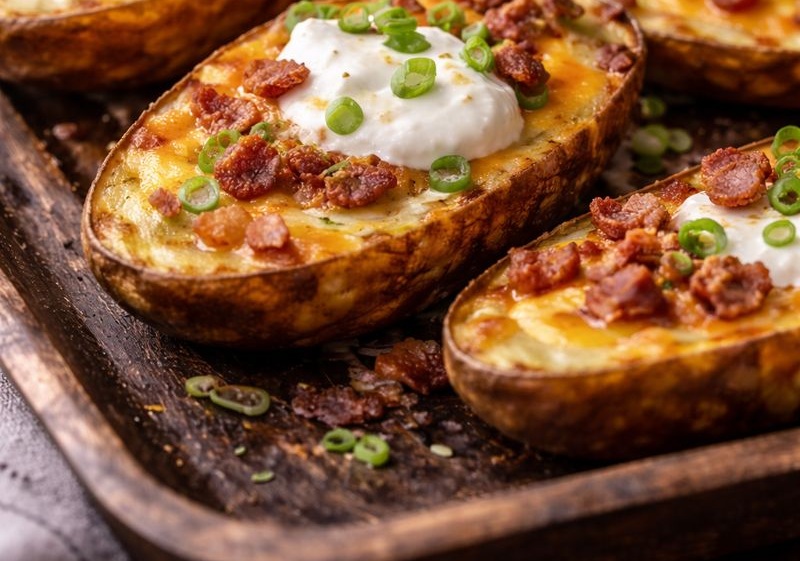
As an Expert, I always start my Tips by working with warm potatoes, because cold ones tear, break, and make it hard to scoop cleanly; when you leave a 1/4-inch layer of potato flesh inside the potato shell, it stays sturdy but still tender, which is key for perfect loaded potato skins. I prefer cutting the shells thin but not fragile, brushing them with melted butter or bacon grease for extra flavor, then baking until crisp. From there, the fun is in the variations—I’ve used leftovers like leftover chili, pulled pork, or even broccoli cheddar, all of which melt beautifully into the shells and taste better than starting from scratch. Over the years, I’ve learned that respecting the shell, using bold fillings, and balancing texture is what makes Potato Skins turn out right Every Time.
Chef-Tested Tips for Crispy Results
From my Expert kitchen experience, the Best way to get Potato Skins right Every Time starts with using warm potatoes so the potato shell doesn’t tear or break when you scoop out the potato flesh and leave a 1/4-inch layer for structure; I keep it thin but sturdy, brush with butter or bacon grease for extra flavor, and bake before filling to lock in crunch, then build smart variations like loaded potato skins with pulled pork, broccoli cheddar, or smart leftovers such as leftover chili, all while remembering simple Tips like not overloading so the skins don’t tear, which is how I consistently get crisp, golden results that feel homemade yet chef-driven every single time.
Frequently Asked Questions About Potato Skins
How Do You Make Potato Skins Step by Step?
When I cook, I stack in neat blocks of flavor, watch them cook potato skins evenly, and switch between oven baking and air fryer when I want fast results without losing the classic skins taste I’ve learned through years of cooking.
For filling, I shred and use shredded cheddar cheese instead of pre-shredded cheese for better consistency and smooth consistency, add bacon, then return to the oven or sometimes an air fryer to fry in the fryer, depending on one time or quick cooking needs.
How Do You Cook Potato Skins Without Drying Them Out?
From my favorite way, I start with Russet potatoes and fresh potatoes; in this recipe, I cook potato skins by oven baking on a sheet pan lined with parchment paper, halved potatoes halved and scooped out gently while scooping, then bake at 400 degrees oven (400 degrees) for 20-25 minutes or 20-30 minutes until bakes through baking, turning crispy with real crispiness and crispy edges, making all skins perfect in one time using the oven.
For better consistency and smooth consistency, I avoid pre-shredded cheese, instead shred fresh cheddar cheese or cheese into fine shredded blocks, add bacon, then cook by cooking again or use an air fryer to fry in the fryer for fast heat, keeping potato skins and skins moist while still crisp.
What Are the Best Potatoes for Potato Skins?
From years in my home kitchen, Russet potatoes work best because their thick skin crisps well and the inside stays fluffy; almost every skins recipe I trust starts this way.
I’ve tested many potatoes, but these give the cleanest scoop and strongest crunch without tearing.