
 By
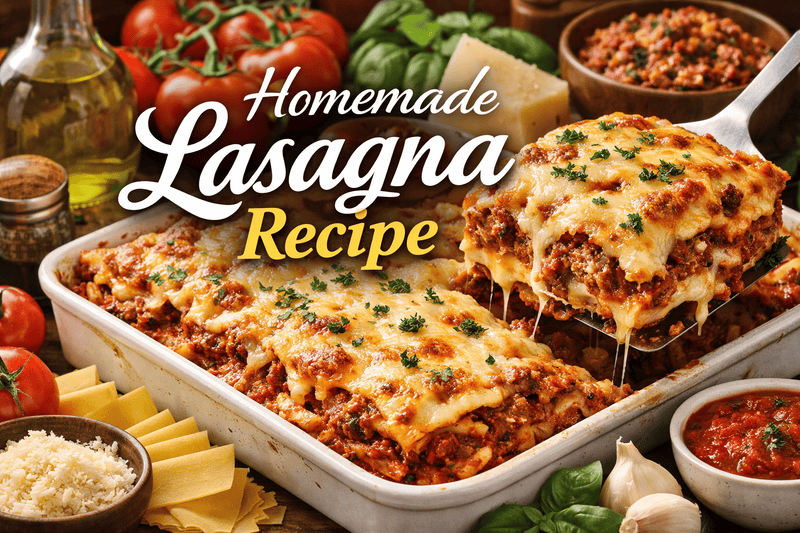
By As a family favorite, this Homemade Lasagna is a favorite recipe in my family, and I still remember the first long time ago when my wife and I started making this recipe together in our kitchen; we learned that lasagna is not hard to make, but it takes time with preparation, cooking time, and gathering ingredients, including quite a few ingredients, which is why we usually make two at once because it makes two lasagnas, so we make one for dinner as a warm dinner meal and save the other as a freezer meal for another time; this homemade food is true comfort food, perfect for meal planning and batch cooking, since it fits well in freezer storage, becomes an easy meal or easy dinner later, and works great as a make ahead meal, especially on busy days when cooking feels rushed but you still want a hearty dinner, proving that with smart planning, this freezer option turns simple food into a reliable, stress-free easy dinner for the whole family.
Understanding What Goes Into a Great Lasagna
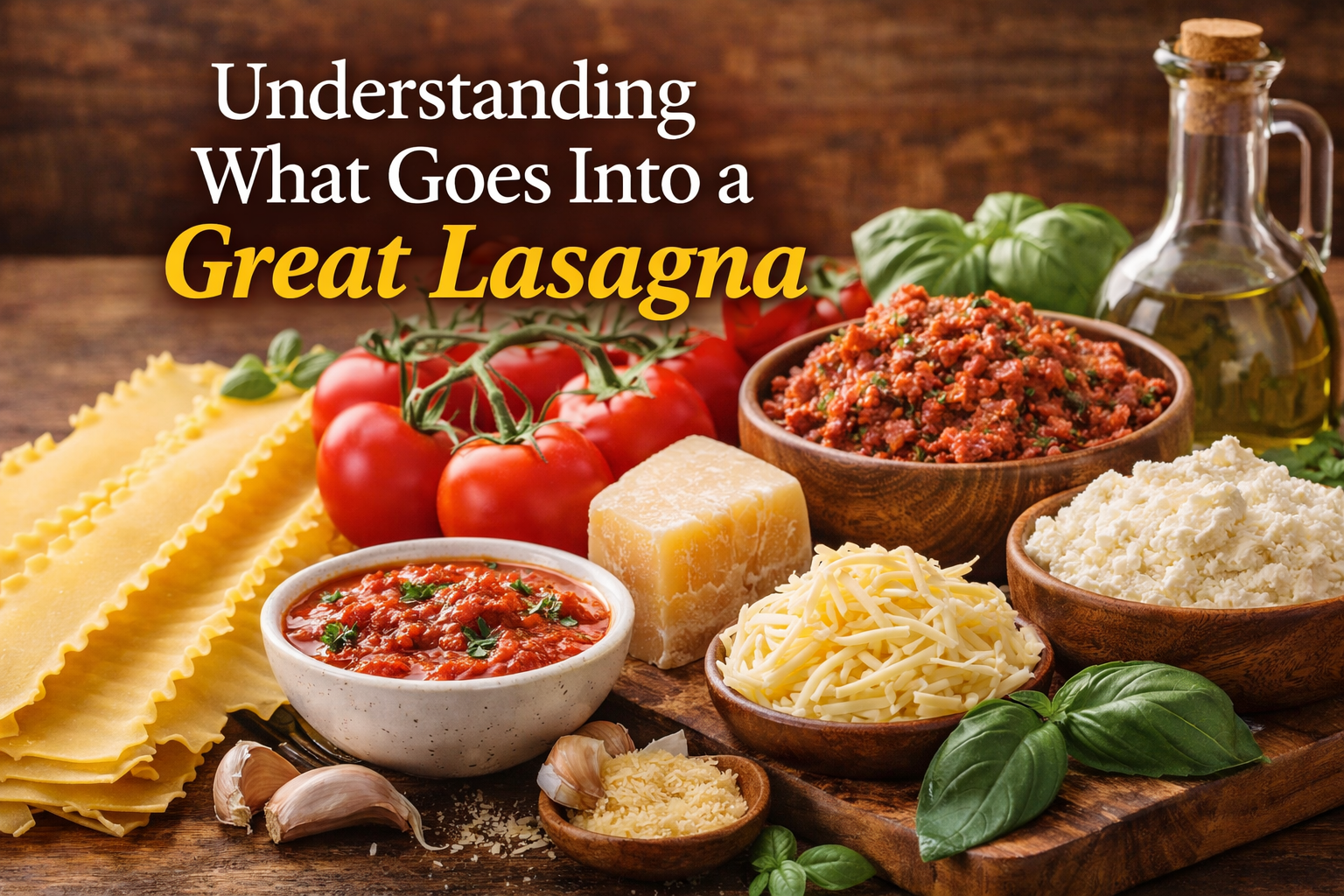
From years of cooking for family dinners, I have learned that a great lasagna is less about complexity and more about balance, and it starts when you slowly brown 2 lbs ground beef with 1 large chopped onion, seasoning it gently with 1 tsp each of salt and pepper, then layering flavor using 2 tsp each on onion powder, paprika, and Italian seasoning and a light kick from 1/2 tsp red pepper flakes and 2 tbsp minced garlic, before letting it simmer into richness with 2 24oz jars pasta sauce; once that base is ready, the structure comes from 16 oz box lasagna noodles, while the heart of comfort forms by blending 15 oz container ricotta, 24 oz container cottage cheese, 1 egg, 1 tbsp dried parsley + more for topping, and 1 cup shredded Parmesan cheese + more for topping, and finally, nothing brings it all together like generous layers of 16 oz shredded mozzarella cheese, which, from my experience, is what turns simple ingredients into a dish that feels deeply satisfying and homemade.
Essential Ingredients for Traditional Lasagna
A great lasagna, in my experience cooking for family weekends, starts with balance and patience, and it all comes together when 2 lbs ground beef is slowly cooked with 1 large chopped onion, 2 tbsp minced garlic, 1 tsp each of salt and pepper, 2 tsp each on onion powder, paprika, and Italian seasoning, and 1/2 tsp red pepper flakes to build deep flavor before adding 2 24oz jars pasta sauce for richness; the structure comes from layering 16 oz box lasagna noodles with a creamy mix of 15 oz container ricotta, 24 oz container cottage cheese, 1 egg, 1 tbsp dried parsley + more for topping, 16 oz shredded mozzarella cheese, and 1 cup shredded Parmesan cheese + more for topping, creating a contrast of soft, cheesy layers and savory meat that I’ve learned makes the dish comforting, filling, and unforgettable without overcomplicating it.
Choosing the Right Noodles, Meat, and Cheese
Choosing the Right Noodles, Meat, and Cheese is where a great lasagna really takes shape, and from my own kitchen trials, balance matters more than perfection: I start with 16 oz box lasagna noodles because they hold layers well, then build flavor using 2 lbs ground beef slowly cooked with 1 large chopped onion, 2 tbsp minced garlic, 1 tsp each of salt and pepper, 2 tsp each on onion powder, paprika, and Italian seasoning, and 1/2 tsp red pepper flakes, letting the spices bloom before adding 2 24oz jars pasta sauce for depth; for the cheese layer, I like mixing 15 oz container ricotta with 24 oz container cottage cheese, 1 egg, and 1 tbsp dried parsley + more for topping to get a creamy but light texture, then layering it with 16 oz shredded mozzarella cheese and 1 cup shredded Parmesan cheese + more for topping, which melts and browns beautifully, a method I learned after years of tweaking recipes to avoid soggy layers while still getting that rich, comforting bite everyone expects.
Preparing Lasagna Before Baking
From my own preparing days at home, I learned that great lasagna starts before the oven, so I follow clear directions and keep the ingredients ready: in a large pot with water, I handle boiling lasagna noodles, then drain them and set aside; on the stove, I cook ground beef (about two pounds) in a skillet over medium high heat, watching the browning, removing extra grease, and adding minced garlic, onion I chop, salt, pepper, paprika, onion powder, Italian seasoning, red pepper flakes, and dried parsley, then lower heat to simmer with marinara sauce from jars or a 24 oz container; in a large bowl, I combine ricotta cheese or cottage cheese from a 15 oz container with one cup Parmesan cheese, an egg, and stir the mixture well; after gathering everything, I switch to low heat, combine sauce and meat, drain noodles again if needed, open the box, and build lasagnas layer by layer, making sure each part is cooked just right so the dish comes out perfectly baked—a simple recipe I trust every time.
Prepping Ingredients Like a Home Cook Pro
When preparing lasagna, I always start with gathering all ingredients so everything feels ready and calm, just like following trusted directions from a family recipe; I fill a large pot with water, add salt, bring it to boiling, drop in lasagna noodles, cook them until cooked, then drain and set aside from the box, while on the stove I heat a skillet on medium high heat for browning two pounds of ground beef, watching for extra grease before I lower heat to low heat, stir in chopped onion, minced garlic, onion powder, paprika, pepper, red pepper flakes, Italian seasoning, and dried parsley, letting the mixture simmer well with marinara sauce from jars using a 24 oz container and a 15 oz container, then I combine ricotta cheese, cottage cheese, Parmesan cheese, one cup at a time, with egg in a large bowl, add tablespoon measures carefully, taste, adjust, and keep it nearby so when it’s time to build lasagnas, everything layers smoothly and ends up perfectly baked.
Step-by-Step Assembly Process
From my own preparing nights making family lasagna, I start by gathering all ingredients and following the directions from my trusted recipe, opening a box of lasagna noodles and bringing water to boiling in a large pot on the stove, then cook until cooked, drain, and set aside; meanwhile, in a skillet on medium high heat, I combine two pounds of ground beef with chopped onion, minced garlic, salt, pepper, paprika, onion powder, Italian seasoning, and red pepper flakes, watching the browning closely, removing extra grease, then lower heat to low heat and simmer marinara sauce from jars using a 24 oz container plus one cup more, letting the mixture thicken well; in a large bowl, I stir ricotta cheese, cottage cheese, Parmesan cheese, egg, dried parsley, and a tablespoon of seasoning from a 15 oz container until smooth, then I build lasagnas by layering noodles, cheese blend, and sauce so everything is ready for the oven, knowing this careful preparing step makes the final baked dish rich and balanced every time.
How to Cook Lasagna in the Oven
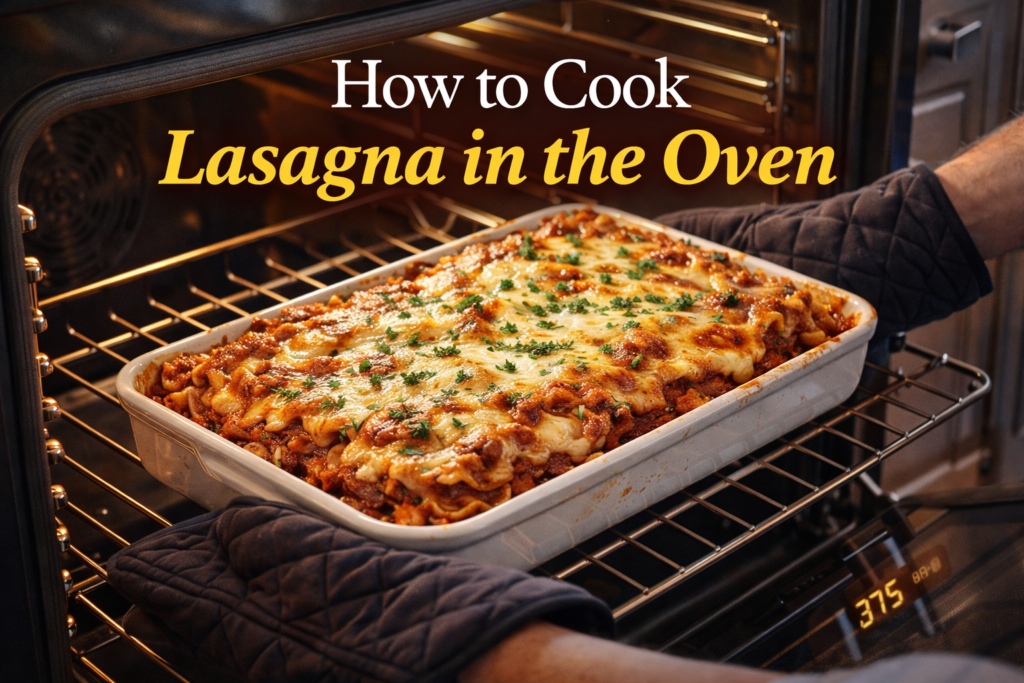
I always start by setting the mood in the oven, so I preheat it to 375 degrees, because good lasagna loves steady heat, whether I’m making one pan or multiple lasagnas for guests; for busy days, I grab aluminum foil, sturdy pans, and even a backup from the freezer, often a half size tray from Sam’s Club that fits about 12 portions, roughly 7/8 full, leaving 10 1/4 inches for bubbling space, then I spray cooking spray lightly and start the layer process with fresh ingredients as I build and keep building flavor using a ladle of meat sauce across the bottom of the pan (or pans if I add more), followed by lasagna noodles, careful scoops of cheese mixture, working from bottom to top with a handful of shredded mozzarella cheese, adding big spoonfuls and then more until the last layer, which can feel confusing with all the layers, but once it’s made and covered in aluminum foil, I bake for 45 minutes, then remove the foil, bake another 10-15, maybe switch to broil at the end until browned, and I always watch closely so it doesn’t burn.
Baking Temperature and Oven Setup
From my home kitchen experience, getting the oven ready is where good lasagna starts, so I always preheat it to 375 degrees before anything else, whether I am making one tray or several lasagnas. I lightly coat my pan and extra pans with cooking spray spray, then think about size and storage, because a half size tray from Sam’s Club or a 12 x 7/8 x 10 x 1/4 style works well and can even go to the freezer. To build strong flavor, I start building from the bottom of the pan, add ingredients in a steady layer using a ladle of meat sauce, then lasagna noodles, a few scoops of cheese mixture, and repeat the layers without it feeling confusing. I always finish the top with a handful of shredded mozzarella cheese, using big spoonfuls if I want more, knowing the last layer matters most. Once made and covered with aluminum foil, it goes in to bake for 45 minutes, then I remove the foil, bake another 10-15, switch to broil at the end until browned, and I watch closely so it does not burn, because I learned that lesson the hard way once.
How Long to Bake Lasagna Properly
One trick I learned after years of cooking for family nights is to always preheat the oven to 375 degrees, whether you’re making one lasagna or several lasagnas, because steady heat matters more than fancy tools; I often use aluminum foil and deep pans, even when the meal comes from the freezer or is a half size tray from Sam’s Club, like the 12 by 7/8 or 10 by 1/4 inch options, and I lightly spray the pan with cooking spray so the first layer doesn’t stick while I build the dish by building from the bottom, using a ladle of meat sauce, then add lasagna noodles, a few scoops of cheese mixture, and repeat until the top gets a handful of shredded mozzarella cheese with big spoonfuls for more flavor, making sure the last layer isn’t confusing by keeping clear layers from bottom to top, and once it’s made, keep it covered with aluminum foil for 45 minutes, then remove it to bake another 10-15, switch to broil at the end so it gets browned, but always watch closely so it doesn’t burn.
Covered vs Uncovered Baking Methods
When I teach home cooks, I like to start with the uncovered side of baking because it answers common fears like how to bake lasagna without foil, which helps the top brown and lets excess moisture cook off for better texture; from there, people often ask do you bake lasagna covered, and the answer depends on control—covering early traps steam for even heat, while uncovering later builds flavor and color. Over years in my own kitchen, I’ve learned that timing matters more than rules, so when students ask how do i know lasagna is done, I suggest checking layers that bubble evenly and using a thermometer, because the internal temp of lasagna should reach about 165°F to be safe and fully set, no matter which method you choose.
When to Use Foil and When Not To
In my own kitchen, I decide coverage by watching moisture and heat, because people often ask do you bake lasagna covered or leave it open; foil early on traps steam so layers cook evenly and cheese stays soft, while going uncovered later helps browning, which also explains how to bake lasagna without foil if you like a firmer top from the start, but you must watch drying closely; for doneness, I rely on feel and numbers together, since how do i know lasagna is done is best answered when the center is hot, the sauce bubbles calmly, and the internal temp of lasagna reaches about 165°F, a balance I learned after years of testing pans, ovens, and even foil placement to avoid soggy corners or burnt edges.
How to Tell When Lasagna Is Fully Cooked
When I check doneness in my own kitchen, I start by asking how do i know lasagna is done, and the answer comes from a mix of sight, feel, and heat, not guesswork; if you wonder do you bake lasagna covered, remember that covering early traps steam so the noodles soften evenly, while uncovering later—or following how to bake lasagna without foil—helps the top set and brown, which also signals doneness, and the most reliable cue I trust as a home cook is the internal temp of lasagna, which should be hot and steady all the way through, with bubbling edges and a firm center that holds when sliced, a balance that only works when you manage covered and uncovered baking at the right moments.
Lasagna Pan Sizes and Baking Vessels
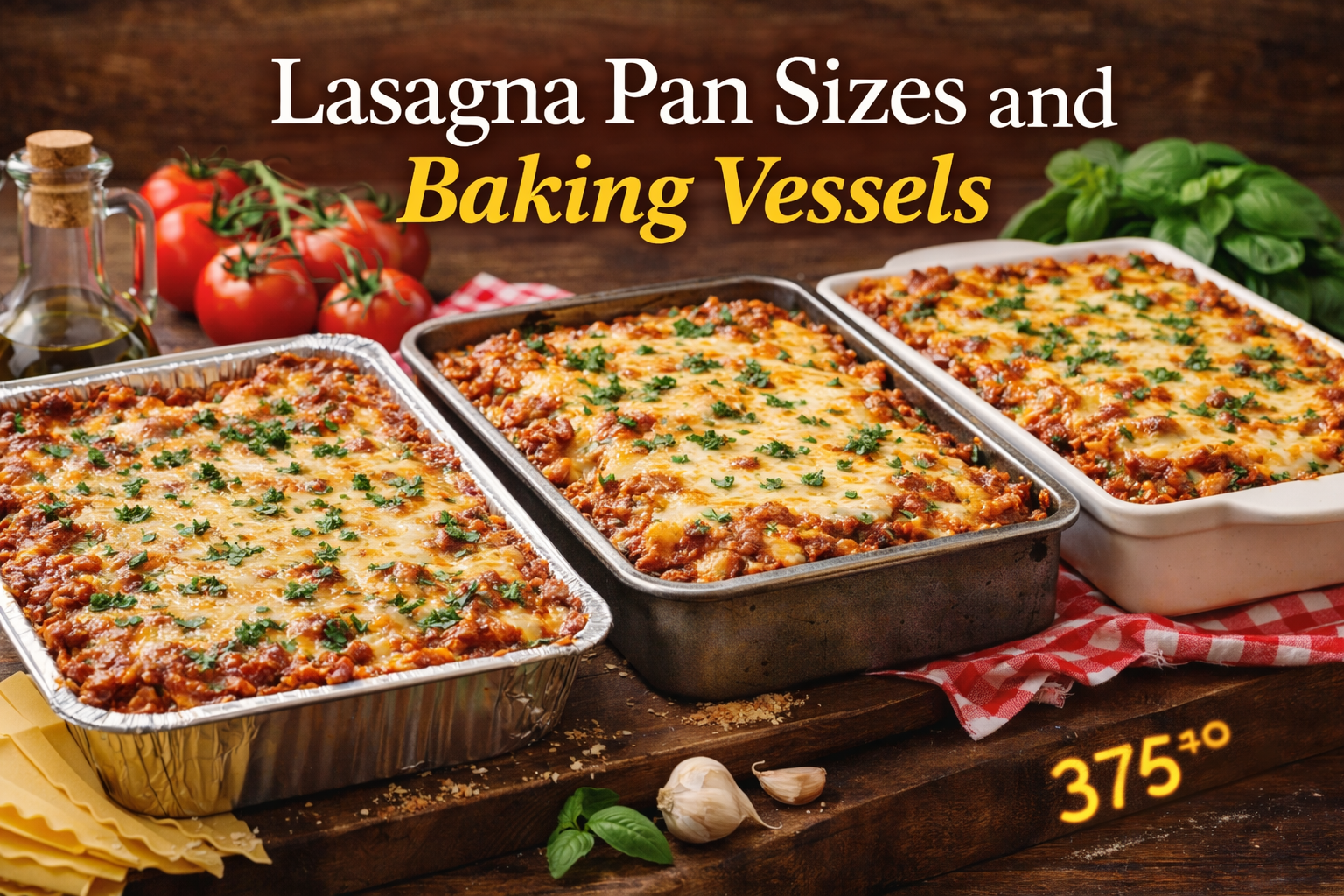
From my kitchen trials, I always think about baking vessels first, because choosing lasagna in foil pan or asking can you make lasagna in a metal pan changes heat flow, moisture, and cleanup, and yes, can you use a roasting pan for lasagna works when depth matters, while I often make lasagna in an aluminul disposable pan for parties since can you make lasagna in a disposable aluminum pan is a real, practical question when feeding many guests; once that choice is clear, pan size follows, and finding the ideal pan size for lasagna means knowing when a 12×9 lasagna is enough or when a full sized lasagna is better, especially for a full size pan lasagna reciepe or a large recipe for lasagna giant aluninum pans, because learning how to make a large pan of lasagna helps you plan layers, sauce, and bake time to bake a big lasagna, whether you want a true giant lasagna for a crowd or just an evenly cooked family meal.
Choosing the Right Pan for Your Lasagna
From my years of home baking, choosing the ideal pan size for lasagna changes everything, because a classic 12×9 lasagna cooks evenly, while bigger meals need smarter choices, like can you use a roasting pan for lasagna when learning how to make a large pan of lasagna for family events. I often get asked can you make lasagna in a metal pan, and yes, it works well, just like lasagna in foil pan when I need easy cleanup or make lasagna in an aluminul disposable pan for sharing. For parties, can you make lasagna in a disposable aluminum pan becomes practical, especially with a full size pan lasagna reciepe designed for full sized lasagna servings. When scaling up, I rely on large recipe for lasagna giant aluninum pans, since they help to bake a big lasagna without drying it out, and that’s how I confidently handle a giant lasagna for crowds.
Disposable, Aluminum, and Large Pan Lasagna
From years of cooking for family events, I’ve learned that choosing the ideal pan size for lasagna changes everything, whether I’m making a simple 12×9 lasagna at home or planning a crowd-friendly giant lasagna. Many people ask about lasagna in foil pan, and yes, can you make lasagna in a metal pan is a fair question because heat spreads differently, but results are still solid if watched closely. I often make lasagna in an aluminul disposable pan when serving many guests, since can you make lasagna in a disposable aluminum pan saves cleanup and holds heat well. For bigger needs, can you use a roasting pan for lasagna works great when learning how to make a large pan of lasagna or to bake a big lasagna evenly. I’ve tested a large recipe for lasagna giant aluninum pans, a full size pan lasagna reciepe, and even a full sized lasagna, and the key is matching depth and width so the layers cook evenly without drying out.
Easy Oven-Baked Lasagna Variations
From my years of home cooking, I’ve learned that lasagna becomes more fun when you borrow ideas from other comfort dishes, and that’s where Easy Baked Ziti, Chicken Spaghetti, Supreme Pizza Casserole, and Manicotti quietly inspire new oven-baked lasagna twists. Instead of strict layers, I mix sauces, cheeses, and fillings the way I would for Easy Baked Ziti, then add tender chicken like Chicken Spaghetti for richness, bold toppings like Supreme Pizza Casserole for variety, and rolled noodles inspired by Manicotti for a neat finish. This approach keeps oven-baked lasagna simple, flexible, and deeply comforting, while still feeling fresh and homemade every time.
Simple and Family-Friendly Lasagna Recipes
When I cook at home on busy weeknights, I lean on Easy Oven-Baked Lasagna Variations that feel familiar but still fun, and this is where simple, family-first ideas shine, because you can borrow comfort from dishes like Easy Baked Ziti, add the creamy, cozy twist I love from Chicken Spaghetti, or layer bold flavors inspired by a Supreme Pizza Casserole without extra work; sometimes I even roll fillings like Manicotti to change the texture while keeping the same oven-baked ease, and from my experience, these small swaps make lasagna nights faster, less stressful, and more exciting for everyone at the table, especially when you want one pan, steady heat, and food that tastes like it was made with care rather than rushed.
Freezing, Storing, and Reheating Lasagna
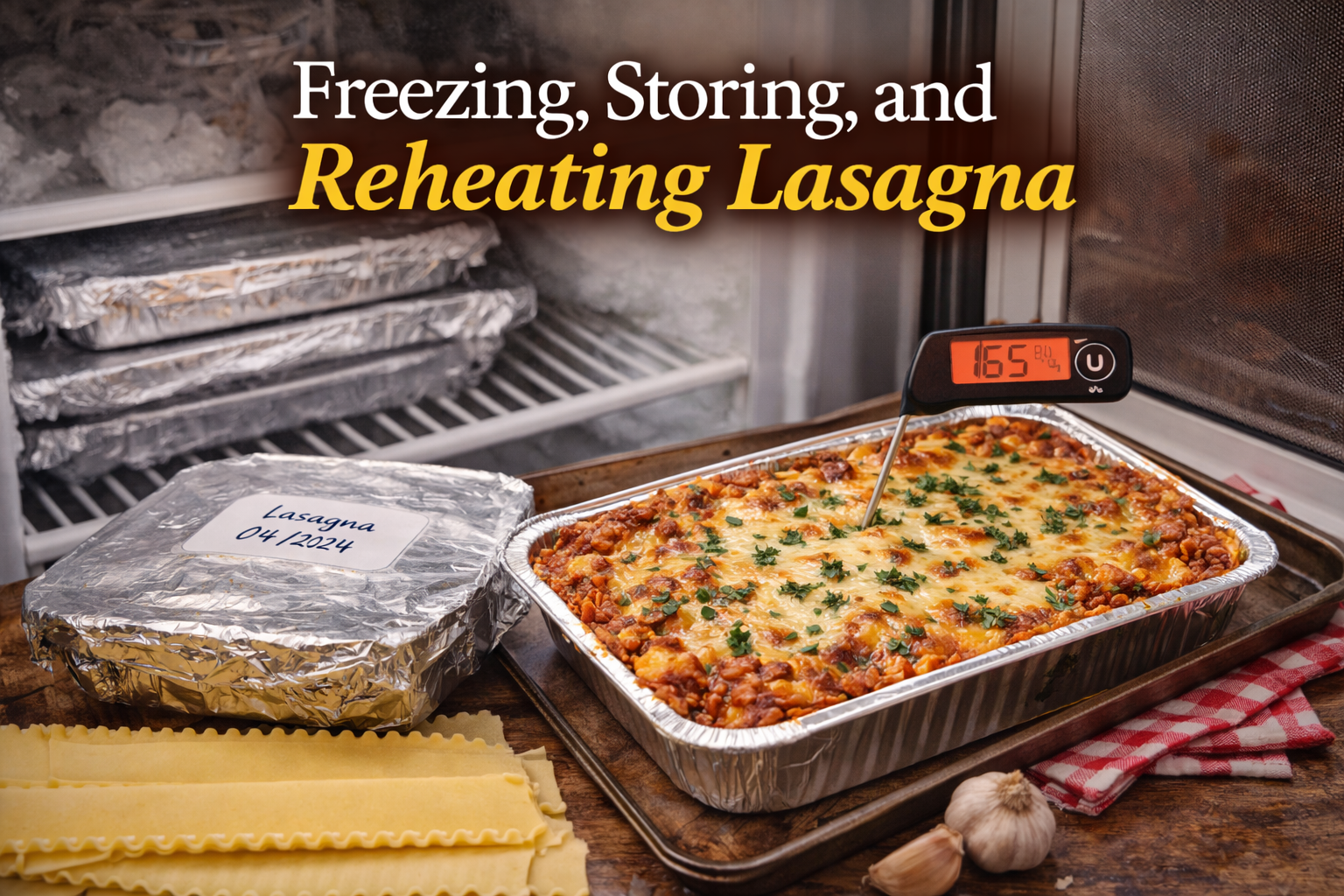
From my own kitchen experience, I’ve found that starting with smart storing makes all the difference, so I always store lasagna in pieces, covered with foil, placed in the refrigerator for 24 hours prior to freezing, which helps it hold up over time; for longer freezer storing, the best method is to cover it tightly so it stays ready to thaw later, and when reheating a baked or frozen portion, I usually bake it covered at 375 degrees for 45 minutes, then uncovered for an additional 15 minutes until heated through, a process similar to what I’ve buy-tested and refined over two decades of home baking, where a 2-3 step rhythm—thaw, heat, rest—works best every time and avoids sogginess while keeping each bite just as satisfying as when it was first baked.
Make-Ahead and Freezer Tips
From my own kitchen trials, I’ve found the best way to handle lasagna is to plan prior to baking by freezing it in pieces, tightly covered with foil, then placed flat in the freezer so it stays similar in texture when reheating; you can store it this way for over 24 hours or even two 2-3 hours longer if needed, and when you’re ready, move it to the refrigerator to thaw with the cover on, then bake it covered at 375 degrees for 45 minutes, remove the foil and finish uncovered for an additional 15 minutes until fully baked, which gives results similar to fresh, a trick I buy into after years of storing meals for busy weeks where time matters most and every slice tastes like it was just made.
Reheating Large Pans of Lasagna
From my own kitchen trials with family trays, I have found the best way to handle big lasagna is to think ahead with freezing and storing, because when a pan is baked, frozen, and later reheating evenly matters over any shortcut: if the pan was placed in the freezer prior to the event, move it to the refrigerator for 24 hours to thaw, then cover it with foil and keep it covered while baking at 375 degrees for 45 minutes, after which I uncovered it for an additional 15 minutes so the top finishes well; if you buy a tray that is similar to homemade and already ready, the same method works, and for smaller pieces I sometimes bake two pans at the same time, noting that fully frozen trays may need 2-3 hours total if skipped thawing, which I learned the hard way, so now I always store smart, plan the reheating window, and keep results consistent for groups.
Serving and Enjoying Homemade Lasagna
I always think about enjoying the dish first, because when lasagna is baked and ready, that is the best time to serve it with garlic bread and a fresh salad, making the meals feel warm and nice. From my own kitchen experience, I add a little bit of extra cheese on top, sprinkle dried parsley, and finish with Parmesan cheese so the surface looks usually browned and smells good. I love to eat it slowly, and if there are leftovers, they taste even better two nights in a row, proving that homemade comfort food is worth the effort and care.
How to Serve Lasagna for Best Results
From my own kitchen time after time, I’ve learned that serving lasagna is about balance and patience: once it’s baked and browned, let it rest so the cheese sets, then add a little bit of extra Parmesan cheese on top with dried parsley for a nice finish; I always pair it with crisp salad and warm garlic bread, because that combo is good for turning simple meals into something special, and I usually plan enough so we can eat the leftovers two nights in a row, which somehow tastes even better the next day and proves that taking the right time makes every slice feel just right.
FAQs: Homemade Lasagna Tips & Answers
This guide answers common FAQs using hands-on experience with covering lasagnas, cheese blocks, and fresh shredding for better melt.
Balancing mozzarella cheese and Parmesan cheese, watching cheese sticking, and adjusting baking times makes frozen lasagna taste just as good as fresh.
Is Lasagna Easy to Make for Beginners?
Yes, a good lasagna recipe makes it simple; I started with store finds from Sam’s Club and basic baking steps for a stress-free dinner.
Using cooking spray on aluminum pans prevents cheese sticking along the pan edges.
For prep, mozzarella cheese and Parmesan cheese taste best from cheese blocks, freshly shredding for a creamier consistency.
I often make two lasagnas, one for now and one freezer meal using half size pans.
What’s the Best Temperature and Time Combination?
From my own baking nights before dinner, I prep a lasagna recipe using cooking spray in aluminum pans or half size pans (12 7/8 x 10 1/4 dimensions), layer mozzarella cheese and Parmesan cheese from cheese blocks (fresh shredding helps avoid cheese sticking on pan edges), seal with crimped edges and covering lasagnas using 2-3 pieces foil and aluminum foil, then rest in the refrigerator for 24 hours or make a freezer meal by freezing lasagna for freezer storage up to 3 months, even when I prep two lasagnas after a Sam’s Club run.
Freezing & Storage Tips
From my own lasagna recipe trials, buying pans from Sam’s Club helped when making two lasagnas for dinner and planning a freezer meal.
Use cooking spray in aluminum pans or half size pans with 12 7/8 x 10 1/4 dimensions, line pan edges with 2-3 pieces foil, fold crimped edges, and add aluminum foil to stop cheese sticking during freezer storage and freezing lasagna.
For best results, keep frozen lasagna in the refrigerator for 24 hours for proper thawing, then baking a thawed lasagna at normal bake time plus frozen baking time if needed.
I usually cap freezer storage at 3 months, and after two hours of resting post-oven, the texture stays rich with a creamier consistency.