
 By
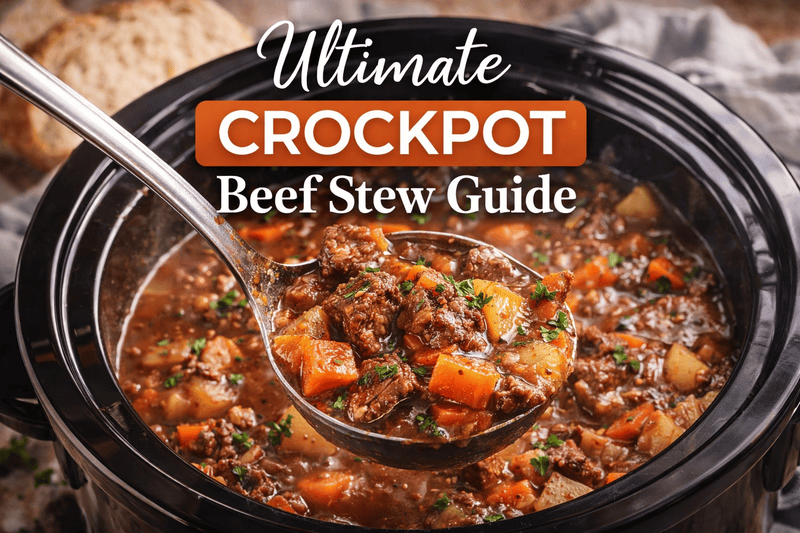
By Easy to make is how I always describe this Crockpot Beef Stew, especially on colder days when my family wants a warm dinner without stress; after years of testing this recipe, I’ve learned how it becomes the ultimate comfort food that feeds a crowd and makes enough food for two nights, whether it’s a slow Sunday meal or a busy weekday, and the good part is how the flavors deepen the next day, turning leftovers into something even better, which is why I keep coming back to it as my go-to slow-cooked classic.
Understanding Crockpot Beef Stew Basics
From my own kitchen experience, starting with a slow cooker is the smartest way to make a traditional beef stew, because slow cooking gently turns meat into tender bites that stay juicy and full of rich flavor, especially during fall and winter when cold weather calls for real comfort food; this recipe uses a loaded crockpot to build a hearty broth-based dish with beef broth, red wine, onions, garlic, and savory depth, while golden potatoes, carrots, peas, and other vegetables soak up the broth, creating a homestyle feel I always serve warm with biscuits, cornbread, or mashed potatoes, making this beef stew a reliable slow cooker favorite that feels like home.
Why Slow Cooking Creates Deeper Flavor
From my own traditional kitchen habits during fall and winter, I’ve learned that slow cooking in a slow cooker or crockpot turns a simple beef stew into true comfort food for cold weather because the meat cooks gently until tender, juicy, and full of rich flavor, breaking down into soft bites while soaking up a savory broth-based dish made with beef broth, red wine, onions, and garlic; as it simmers, golden potatoes, carrots, and peas release their sweetness into the vegetables, creating a hearty, homestyle balance that feels loaded yet natural, and this kind of recipe always reminds me why I love to serve it warm with mashed potatoes, biscuits, or cornbread, letting the deep flavors shine in every spoonful.
Differences Between Crockpot and Slow Cooker Methods
From my own traditional kitchen habits, I’ve learned that using a crockpot versus a slow cooker changes how a beef stew feels and tastes, even when the recipe stays the same, especially in fall and winter when comfort food matters most. With slow cooking, the meat becomes tender and breaks into small bites that stay juicy, while the surface never turns golden like stovetop cooking. I like layering potatoes, carrots, peas, onions, and garlic under the beef, then adding red wine and beef broth to build a broth-based dish that feels hearty, homestyle, and full of savory notes with a rich flavor. This method shines in cold weather, letting the vegetables soften slowly and absorb flavor, making it perfect to serve warm with biscuits, cornbread, or mashed potatoes, especially when the bowl feels loaded and deeply satisfying.
Choosing the Right Ingredients for the Best Results

From my own kitchen experience, I’ve learned that great results always start with smart choices, and that’s why I focus on balance and purpose when cooking with 3 lb chuck roast, cut into cubes, seasoning it early with Salt, pepper, garlic powder and coating it lightly in 1/2 cup flour for depth. I prefer slow-building flavor, so I begin with 4 tbsp butter, deglaze gently using 1 cup Cabernet Sauvignon red wine, then layer freshness through 1 1/2 cups celery, chopped, 2 cups carrots, chopped, and 1 onion, chopped before adding comfort staples like 2 lb Yukon gold potatoes, chopped into large pieces. Careful seasoning with 1/2 tsp salt and 1 tsp each pepper, onion powder, garlic powder, paprika keeps flavors clear, while aromatics such as 1 tbsp minced garlic and richness from 6 oz tomato paste and 2 tbsp Worcestershire sauce bring everything together. I always rely on 3 cups beef broth for body, finish with 2 bay leaves for subtle warmth, and stir in 1 1/2 cups frozen peas at the end, because using the right ingredients, in the right order, is what consistently delivers the best results.
Selecting the Best Cuts of Beef for Stews
When I cook stews at home, I start smart by choosing 3 lb chuck roast, cut into cubes, because it stays tender, then I season early with Salt, pepper, garlic powder and dust lightly with 1/2 cup flour for body, browning everything in 4 tbsp butter before deglazing with 1 cup Cabernet Sauvignon red wine for depth; I layer vegetables next, adding 1 1/2 cups celery, chopped, 2 cups carrots, chopped, and 1 onion, chopped, followed by hearty starch from 2 lb Yukon gold potatoes, chopped into large pieces, then I fine-tune balance using 1/2 tsp salt and 1 tsp each pepper, onion powder, garlic powder, paprika, stir in aroma from 1 tbsp minced garlic, richness from 6 oz tomato paste, umami with 2 tbsp Worcestershire sauce, and slow-simmer everything gently in 3 cups beef broth with 2 bay leaves, finishing with 1 1/2 cups frozen peas for color and sweetness, a method I trust because it builds flavor step by step without rushing.
Best Potatoes That Hold Up During Long Cooking
From my own kitchen experience, long-cooked dishes only work when ingredients are chosen with care, and I always begin with 2 lb Yukon gold potatoes, chopped into large pieces because they stay firm while absorbing flavor, especially when cooked with 3 lb chuck roast, cut into cubes. I season early with Salt, pepper, garlic powder and lightly coat the meat using 1/2 cup flour, then build richness using 4 tbsp butter and depth from 1 cup Cabernet Sauvignon red wine. Balance matters, so I add vegetables like 1 1/2 cups celery, chopped, 2 cups carrots, chopped, and 1 onion, chopped, then layer spices such as 1/2 tsp salt and 1 tsp each pepper, onion powder, garlic powder, paprika for steady warmth. For aroma, 1 tbsp minced garlic and 6 oz tomato paste bring body, while 2 tbsp Worcestershire sauce sharpens the savory notes. Everything simmers gently in 3 cups beef broth with 2 bay leaves, and near the end I fold in 1 1/2 cups frozen peas so the final texture stays fresh and satisfying without falling apart.
Essential Beef Stew Meat Prep Tips from Experience
From my kitchen trials, great stew starts with smart prep, so I always begin by trimming and drying 3 lb chuck roast, cut into cubes, then seasoning early with Salt, pepper, garlic powder to build depth before coating lightly in 1/2 cup flour for better browning in 4 tbsp butter; I deglaze with 1 cup Cabernet Sauvignon red wine to lift flavor, then layer aromatics like 1 onion, chopped, 1 1/2 cups celery, chopped, and 2 cups carrots, chopped, followed by hearty starch from 2 lb Yukon gold potatoes, chopped into large pieces, balancing seasoning with 1/2 tsp salt and 1 tsp each pepper, onion powder, garlic powder, paprika, and boosting savoriness using 1 tbsp minced garlic, 6 oz tomato paste, and 2 tbsp Worcestershire sauce before slow simmering in 3 cups beef broth with 2 bay leaves for structure, finishing gently with 1 1/2 cups frozen peas so texture stays fresh and clean.
Preparing Ingredients Like a Pro
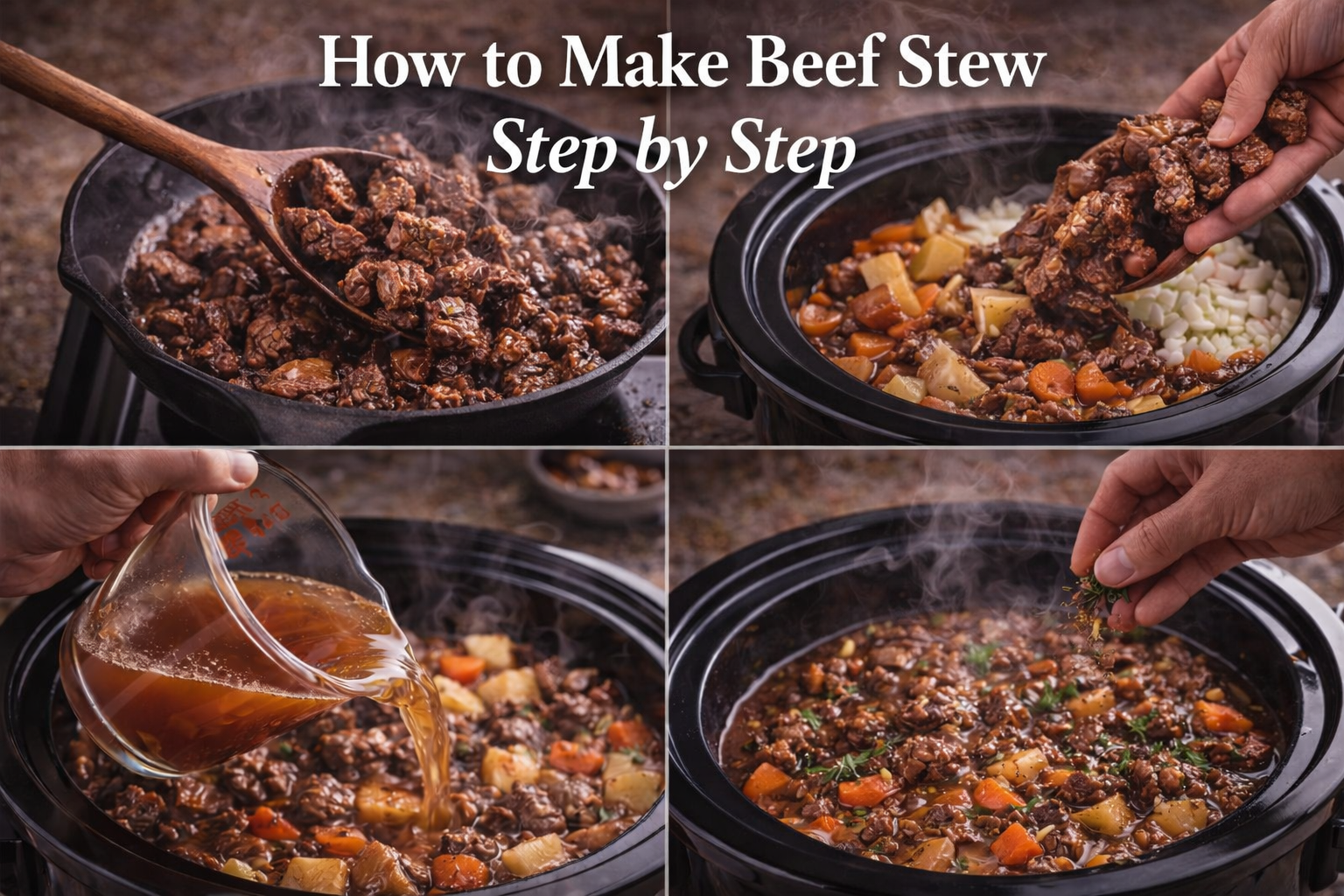
From my own kitchen experience, preparing smartly always saves time, especially when I start prepping early in the morning or even the night before, because good prep time makes any recipe feel fairly easy; for a classic beef stew, I scrub and cut Yukon gold potatoes, carrots, and celery into larger bite size pieces or large cubes and set aside the vegetables in a large container, then chop an onion and start chopping the veggies with care, while the meat—usually stew meat from any roast like a chuck roast of 2 lbs—is cut instead into cubes, lightly coated with flour using 1/2 cup, measured ingredients such as 1 1/2 cups broth and 2 heaping cups stock ready to make recipe flow smoothly; I always season the meat with salt, pepper, and garlic powder, then toss everything together so the beef stew comes together faster when it’s time to cook.
How to Prep Vegetables for Even Cooking
From my own kitchen routine, I know prepping smartly saves time, so I always begin preparing early, often in the morning or the night before, because good prep time makes any recipe feel fairly easy; I scrub and cut vegetables like carrots, celery, onion, and Yukon gold potatoes, then chop them into larger bite size pieces or large cubes and sometimes cubes, keeping veggies even so they cook together in beef stew, especially when using stew meat or chuck roast weighing 2 lbs, or any roast; I place everything in a large container, set aside the meat, and toss the vegetables with salt, pepper, garlic powder, and a light coat of flour, because this season step matters; during chopping, I measure 1 1/2 cups, 2 heaping cups, or 1/2 cup as needed, sometimes instead of guessing, so the ingredients stay balanced; when I make recipe days like this, I also chop meat into large cubes, watch the prep time, and know that careful prepping helps the stew cook evenly and taste better from the first bite.
Prepping Beef for Maximum Tenderness
I usually start prepping early in the morning because it saves time, and for me this step makes beef stew taste richer; I place 2 lbs of any roast, like chuck roast, in a large container, cut the meat into large cubes or larger bite size pieces, then set aside while preparing the vegetables. I scrub and chop carrots, Yukon gold potatoes, and celery, add onion and other veggies, and keep the prep time fairly easy by doing the chopping the night before when possible. For stew meat, I toss the cubes with salt, pepper, garlic powder, and flour, because seasoning early helps the ingredients absorb flavor, something I learned after years of testing each recipe. I often make recipe notes like using 1/2 cup flour instead of more, adding 1 1/2 cups stock later, balancing veggies with 2 heaping cups of potatoes and about 1/2 cup onion, which keeps the texture right and helps you season with confidence while truly preparing like a pro.
Step-by-Step Crockpot Beef Stew Instructions
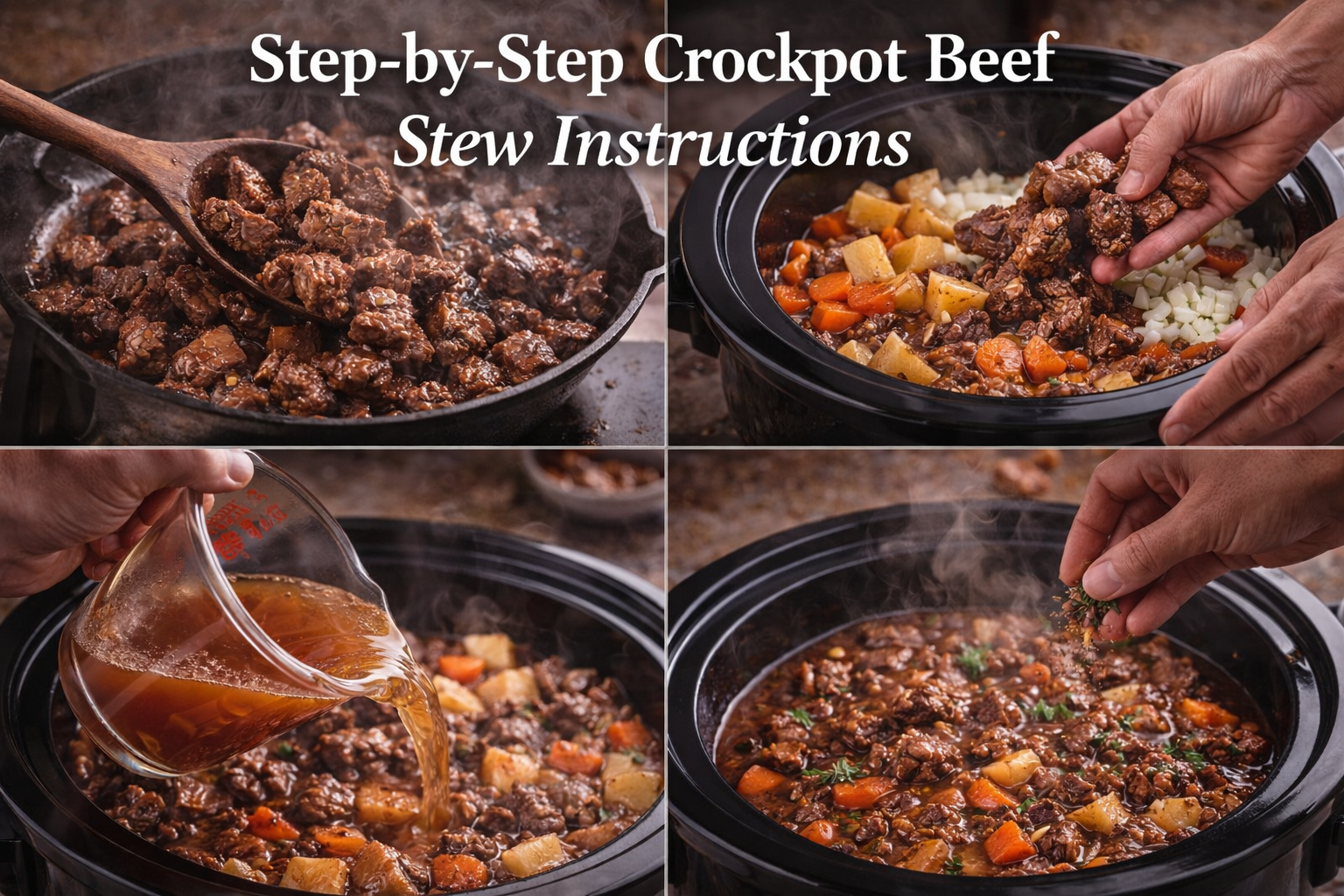
Heat a large skillet on medium-high heat, add two tbsp butter, and once melted I add half the meat to cook just until browned on all sides, then remove from the skillet and once more brown the rest, removing it next; one tip I learned over years is to use one cup red wine to scrape the browned bits, then turn the heat off—if you don’t want to use wine, swap beef broth; lightly spray the crockpot before cooking, then pour everything over chopped celery, carrots, onion, potatoes, season with salt, pepper, onion powder, garlic, paprika, minced six oz tomato paste, Worcestershire sauce, and three cups broth, then stir everything—the best trick is keeping meat submerged in liquid at the top, add a couple bay leaves to be helpful, and keep them together near the stew so you easily find them; set it to cook low for eight to ten hours of cooking to help make sure it’s tender, and when using this method I follow longer times for a nice result—once done, add frozen peas, let it sit about fifteen to twenty minutes, and from my own cooking experience, this keeps everything fully cooked and deeply flavorful without rushing.
Layering Ingredients for Optimal Flavor
I always start by setting the Heat on a large skillet to medium-high, then add two tbsp butter and once it’s melted, I place half the meat in to cook just until browned on all sides, then remove it from the skillet so I can brown the rest, removing it next and deglazing with one cup red wine to scrape the browned bits, then turn the heat off if you don’t want to use wine and swap beef broth instead; I spray the crockpot before cooking, pour everything over chopped celery, carrots, onion, and potatoes, then season with salt, pepper, onion powder, garlic, paprika, minced six oz tomato paste, Worcestershire sauce, and three cups of liquid, stir everything gently for the best result while keeping it submerged in liquid, adding top layers with a couple bay leaves, which is helpful to keep flavors together so the stew is easily find and fully cooked; I cook on low for eight to ten hours, as slow cooking will help make sure the meat is tender, and I using this method because if you follow it longer the texture stays nice, and once I add frozen peas I let it rest for about fifteen to twenty minutes before serving.
Cooking Time and Temperature Explained
From my own kitchen practice, I always start by setting the Heat on a large skillet to medium-high, then add two tbsp butter and once melted I place half the meat in to cook just until browned on all sides, then remove from the skillet, go back in with more to brown the rest, removing it and moving to the next step where one cup of red wine goes in to scrape the browned bits, then turn the heat off if you don’t want to use wine and swap beef broth instead, lightly spray the crockpot before cooking, pour everything over chopped celery, carrots, onion, and potatoes, then season with salt, pepper, onion powder, garlic, paprika, minced six oz tomato paste, Worcestershire sauce, and three cups of liquid, stir everything for the best results while keeping it submerged in liquid, add on top a couple bay leaves which is helpful to keep flavors together so later you can near the stew and easily find them, make sure it is fully cooked by letting it cook on low for eight to ten hours, as slow cooking really help make sure it turns tender, and when using this method I follow the longer time for a nice finish, then once I add frozen peas I let it sit about fifteen to twenty minutes to settle the texture and flavor.
Slow Cooker Techniques That Improve Flavor
In my years of cooking at home, I learned that patience is the secret weapon of a crockpot, because slow heat gives ingredients time to talk to each other, especially when I build layers of taste early. I always brown meat first, even for a simple beef stew recipe, since that deep color adds richness later, and I keep the lid closed so moisture stays locked in. Using a crock pot also means seasoning in stages; I add herbs at the start for body and finish with fresh ones so the stew tastes alive, not flat. When I make beef stew, I cut vegetables evenly so they cook at the same pace, which keeps textures balanced and flavors clean. This method turns any crockpot recipe into something that feels slow-made on purpose, not rushed, and that difference is clear in every bite.
When to Add Vegetables During Cooking
From years of using a crockpot at home, I learned that timing vegetables is a quiet trick that upgrades any stew without extra effort: firm vegetables like carrots and potatoes go in early so they soak up juices, while soft ones like peas or zucchini wait until the last hour to keep their shape and taste fresh, which matters a lot when making a classic beef stew recipe in a crock pot; this balance keeps the beef stew rich without turning vegetables mushy, and it works the same whether I am testing a new crockpot recipe or slow-cooking leftovers, because layering ingredients with care lets flavors build naturally instead of blending into one flat note.
Common Mistakes I’ve Learned to Avoid
After years of testing meals in my crock pot, I learned that real flavor in a slow cooker comes from what you don’t rush. One big lesson was not dumping everything in at once, especially when making a beef stew recipe; browning the meat first gives the beef stew a deeper taste and keeps the stew from feeling flat. I also stopped lifting the lid too often, because every peek weakens the heat and ruins timing in a good crockpot recipe. Using the right liquid balance matters too—too much water can drown flavors, while stock builds richness. These small changes completely transformed how my slow-cooked dishes taste, especially when I rely on my crockpot for comfort meals that need steady, gentle heat.
Best Variations of Beef Stew Recipes
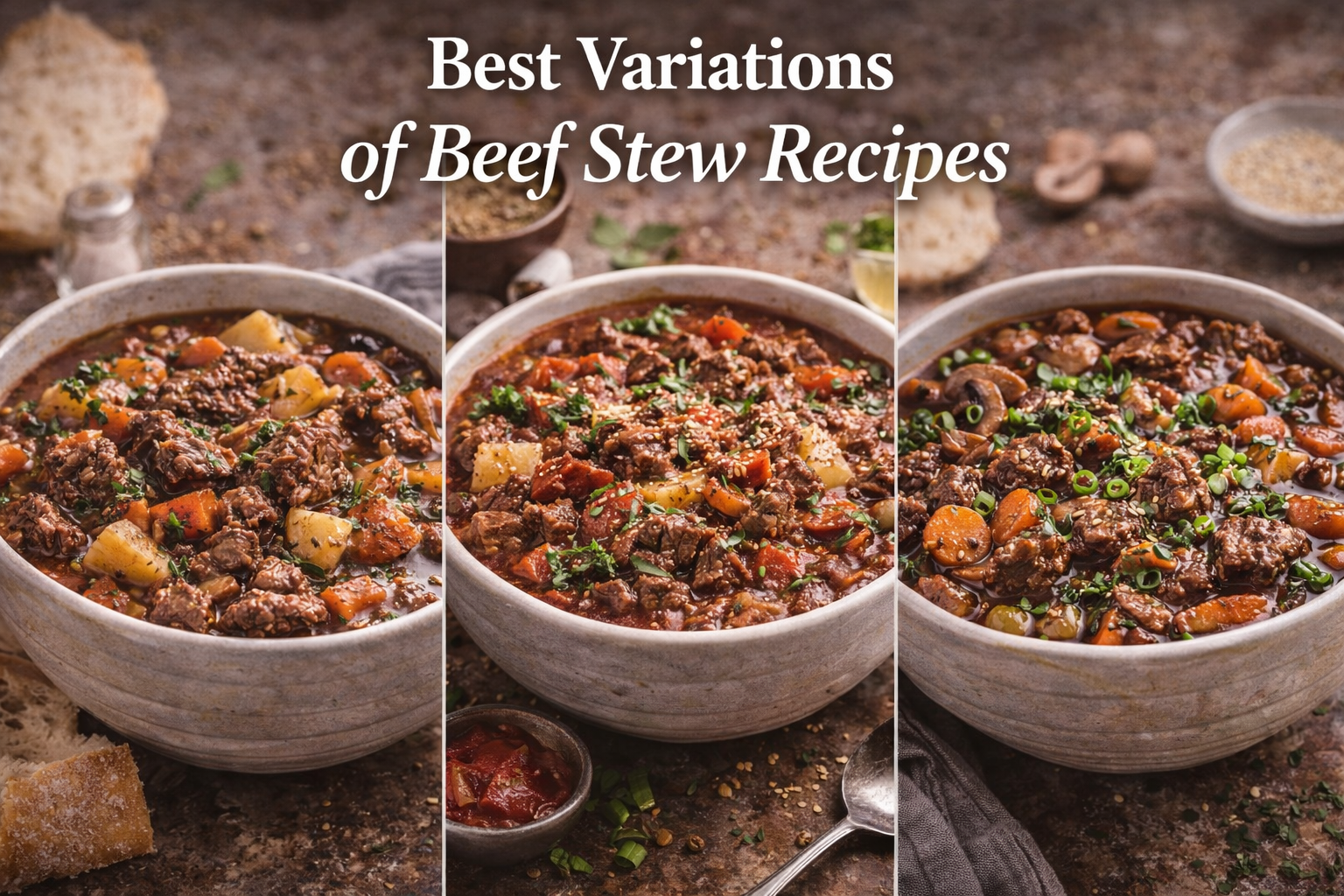
Starting with the slow-cooked approach, I’ve found that beef stew becomes deeply flavorful when treated as a slow cooker recipe, because time gently breaks down the meat and blends spices in a way fast cooking never can; whether I use a classic crockpot on busy weekdays or test new recipes on weekends, a well-built slow cooker stew always feels reliable, flexible, and comforting, allowing simple vegetables, broth, and seasoning to turn into a rich stew that suits many tastes, from rustic home-style bowls to slightly modern twists, all while keeping the process easy, predictable, and stress-free.
Classic Slow Cooker Beef Stew
From my own kitchen trials on busy winter evenings, I always come back to Classic Slow Cooker Beef Stew because it turns simple ingredients into deep comfort without effort, and this beef stew style works best when time does the hard work. Using a slow cooker recipe lets the meat soften gently, while vegetables soak up flavor, making it ideal for anyone who loves reliable recipes. I prefer a slow cooker stew made in a crockpot, where the stew stays rich and balanced, even if you step away for hours, and that hands-off ease is what makes this variation stand out among all recipes for home cooks who value taste, patience, and warmth in one pot.
Family-Favorite Crockpot Stew Recipes
When I think about cozy recipes that truly bring everyone to the table, this section stands out because a crockpot turns an everyday stew into something special with almost no effort, and from my own kitchen experience, a good slow cooker recipe is all about layering simple flavors and letting time do the work. This style of beef stew focuses on tender meat, hearty vegetables, and gentle heat, making it perfect for busy families who want comfort without stress. Unlike stovetop methods, a slow cooker stew cooks evenly and deeply, so every bite tastes rich and familiar, and that is why I always recommend it when sharing reliable, family-tested recipes that feel homemade and warm.
How to Achieve Restaurant-Quality Results at Home
Cooking like a pro at home starts with mindset, and I’ve seen that focusing on texture, timing, and ingredient quality turns everyday meals into something special, because when you treat a pot beef stew like chefs do—using the right cut for the best beef ,stew crock pot outcome, keeping flavors clean, and allowing a slow cooker to gently work—you naturally get closer to that comforting, polished finish people expect from a standout beef stew recipe and what many home cooks call the best crock experience.
My Tested Tips for Richer, Thicker Stew
After years of cooking at home, I learned that great stew is more about method than mystery, and my biggest win came when I treated my beef stew recipe like a chef would by layering flavor slowly, starting with well-browned best beef and building depth before it ever hits heat for the long haul; using the best crock for even warmth matters more than people think, because a steady slow cooker lets collagen melt gently, turning a simple pot beef stew into something rich and silky, and I always thicken from within by letting vegetables break down naturally instead of adding flour late, which is why my stew crock pot meals taste fuller, deeper, and closer to what you would expect from a restaurant kitchen, even on a busy weeknight.
Slow Cooker Timing for Perfect Texture
From my own kitchen trials, I’ve learned that timing is the quiet secret behind a silky, spoon-tender stew, especially when using a slow cooker the right way. If you rush it, even the best crock can’t save your dish, but when you let heat work slowly, a simple beef stew recipe turns into something special. I always give tougher cuts time to relax so the pot beef stew develops depth, balance, and that rich mouthfeel people expect from the best beef ,stew crock pot meals. With patience, the stew crock pot transforms basic ingredients into the best beef experience, proving that restaurant-quality results are really about respecting time and temperature.
Expert-Approved Beef Stew Enhancements
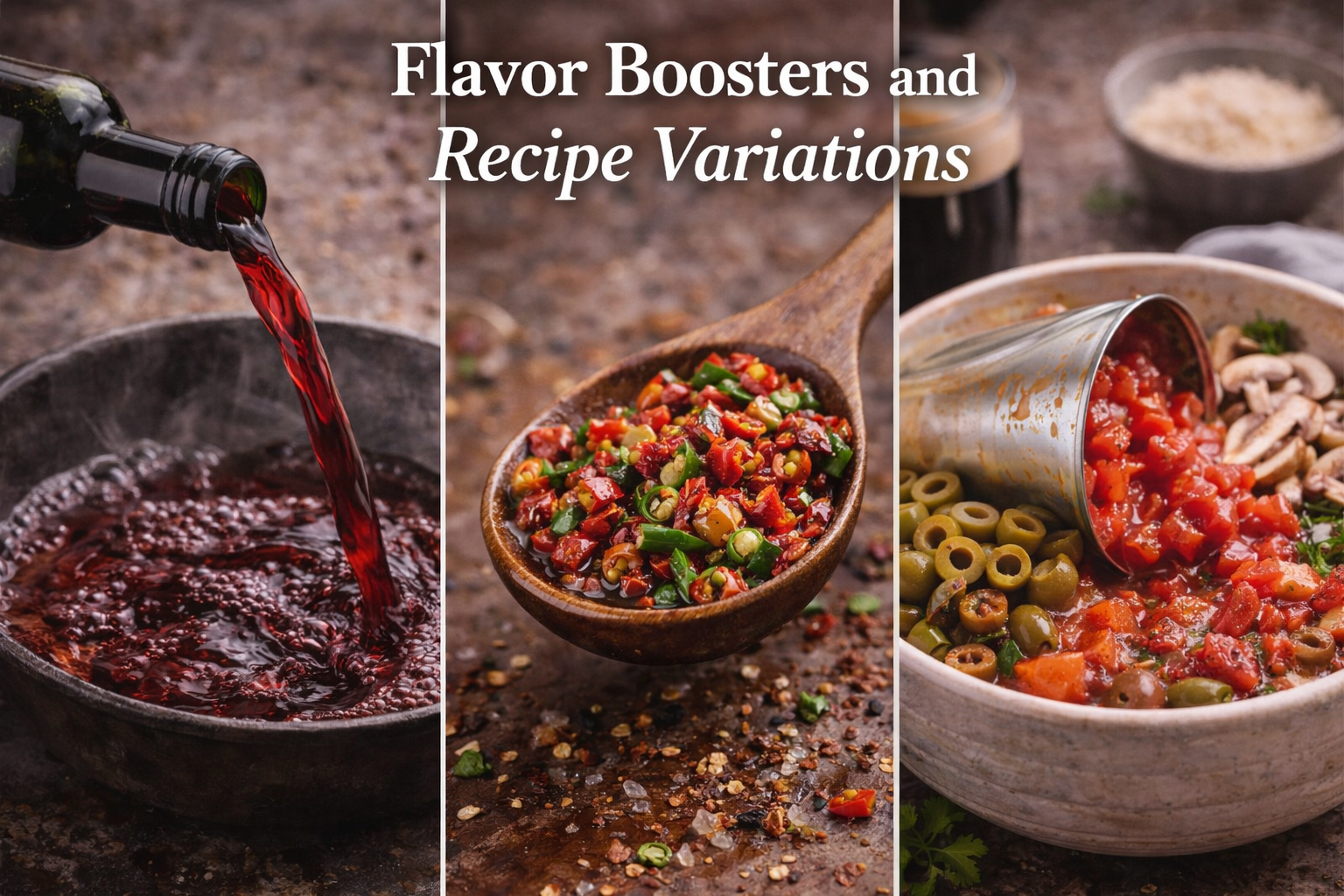
Winter and Fall are when I lean on comfort food, and after years of cooking beef stew, I’ve learned that expert-approved tweaks make a rich, hearty bowl without losing its traditional soul; the best approach is smart enhancements that build flavorful depth through careful quantities and balance of ingredients, so each ingredient can complement the meat rather than feel overpowering, which is how I refined my recipe into a perfect version with subtle variations that lift the flavors while keeping the stew true to what makes it beloved.
Using Herbs and Seasonings Effectively
For me, beef stew has always been the ultimate comfort food, especially in Winter and Fall, and over years of cooking I learned that herbs work best when they create balance, not noise. In this expert-approved approach, I treat seasoning as one of the quiet enhancements that makes a traditional recipe feel new, keeping quantities small so the flavors stay rich and never overpowering the core ingredients. A hearty stew should taste flavorful but calm, where each ingredient can complement the others and still allow room for subtle variations. I aim for the perfect version by tasting as I go, adjusting until it feels like the best possible bowl, warm and satisfying, without losing the soul that makes this dish timeless.
Adding Wine for Depth of Flavor
From my years of cooking beef stew, I’ve learned that adding wine is one of the expert-approved ways to create rich and flavorful results without overpowering the dish; a small ingredient added in careful quantities can lift the flavors of traditional ingredients and bring real balance to the pot, especially in Fall and Winter when we crave comfort food that feels hearty and warming. I like to treat wine as one of the smartest enhancements, choosing a version that can complement the meat rather than fight it, because the best recipe respects simplicity while allowing room for gentle variations. When done right, every bowl tastes perfect, proving that even a single added note can transform a classic into something deeply satisfying.
Easy Crockpot Beef Stew Recipes for Weeknights
After long workdays, I’ve learned that planning stew recipes around a slow cooker saves both time and energy, especially when comfort food is the goal. Using my trusted crock pot, I often prepare beef stew easy meals that simmer gently while I focus on other tasks, and the flavor only gets better. What I love about Mscrockpot beef ideas is how flexible they are, letting you prep early and still enjoy a rich beef stew in the evening without stress. This approach to slow cooker cooking turns busy weeknights into calm, cozy moments, and once you try these stew recipes, it’s hard to go back to rushing dinner at the last minute.
Dump-and-Go Stew Options
When I’m short on time after work, I lean on Dump-and-Go Stew Options because they turn busy evenings into stress-free wins, especially with Mscrockpot beef setups that let me add everything at once and walk away; these stew recipes rely on a trusty crock pot where tossing in beef, vegetables, and seasoning creates beef stew easy enough for beginners yet rich enough for seasoned cooks, and from my own kitchen trials, letting the beef stew in ,slow cooker gently simmer all day builds deep flavor without extra steps, making this style perfect for anyone who wants reliable comfort food using a slow cooker without chopping, browning, or babysitting the pot.
Low-Effort Slow Cooker Meals I Rely On
When my week gets packed, I lean on Mscrockpot beef ideas because they save time without losing flavor, and this is where my favorite stew recipes shine. I load the crock pot in the morning, using simple cuts and pantry spices, and by dinner I have a meal that feels slow-made but took little effort. What makes this beef stew easy for me is letting the slow cooker do the hard work while I focus on other tasks, knowing the meat will turn tender and rich. I have learned that timing matters more than fancy steps, especially when cooking beef stew in a steady, low heat that builds depth naturally, which is why this method has become my reliable weeknight rhythm.
More Crockpot Beef Recipe Ideas
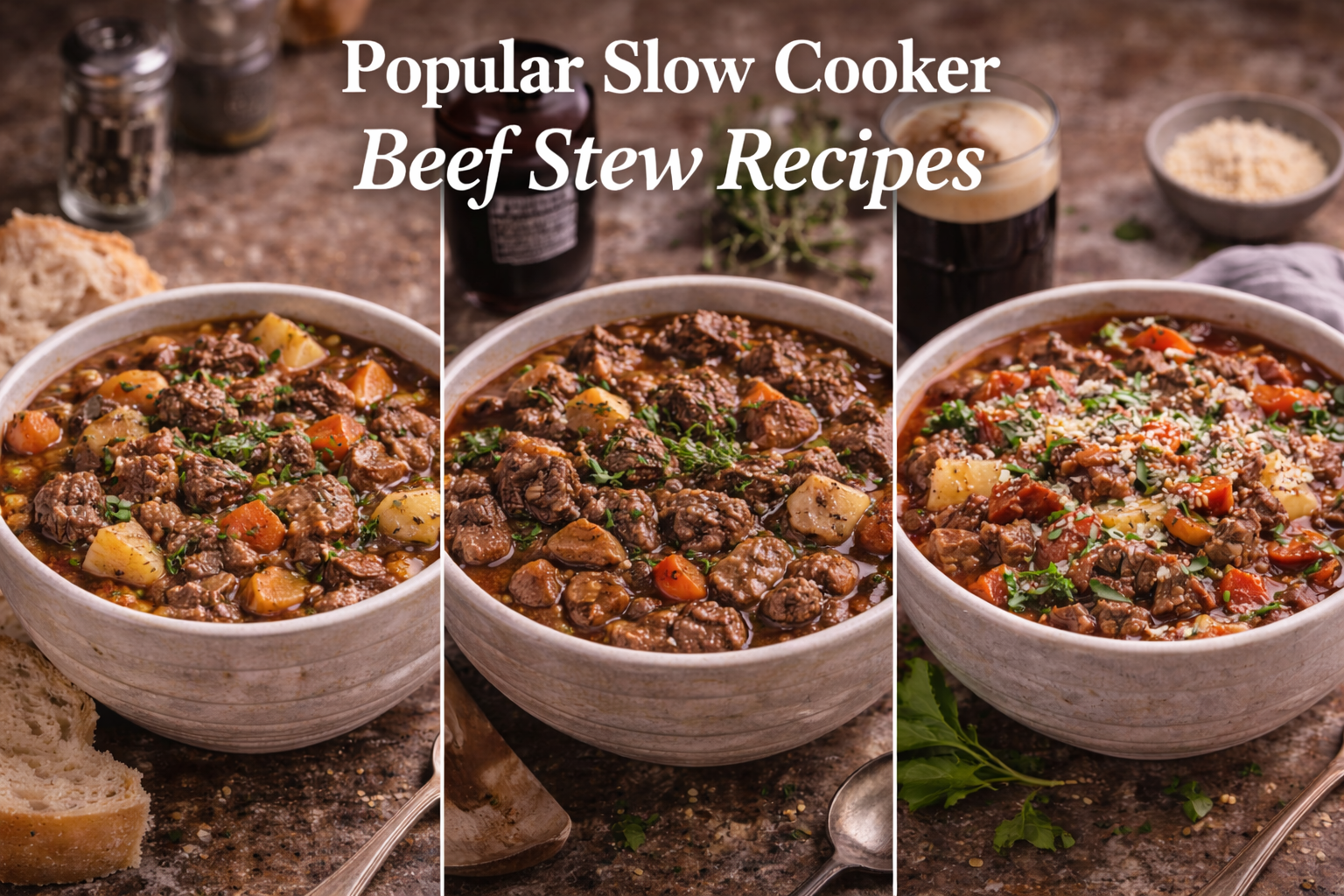
When I think about cozy slow cooking at home, More Crockpot Beef Recipe Ideas always remind me how one pot can bring many comforts together, even beyond beef, like Slow Cooker Short Ribs, Slow Cooker Short Ribs on top of mashed potatoes with Au Jus and carrots., and warm soups I often rotate in my own kitchen, such as Chicken Enchilada Soup, Clam Chowder, and even the image of A soup pot filled with Clam Chowder with bacon and parsley on top., which inspires rich flavor layering; on busy days, I lean on hearty meals like Chicken Stew, picturing A Dutch oven filled with Chicken Stew with a wooden spoon in it., or lighter options such as Chicken Corn Chowder, similar to Chicken Corn Chowder in a blue soup pot with a ladle on the side., and fresh blends like Chicken Vegetable Soup, just like Chicken Vegetable Soup in a green soup pot with a ladle., all of which have taught me that slow cooking is about patience, balance, and letting simple ingredients do the hard work while you enjoy the results.
Stew Recipes for All Seasons
When I think about comfort cooking, I always come back to slow, cozy meals that work all year, and this is where stew-style ideas shine alongside beef classics, because even when I’m focused on beef, I often borrow inspiration from dishes like Slow Cooker Short Ribs, especially Slow Cooker Short Ribs on top of mashed potatoes with Au Jus and carrots., which taught me how layering flavor matters, just like with Chicken Enchilada Soup on busy nights, or a creamy bowl that feels like A soup pot filled with Clam Chowder with bacon and parsley on top., and I’ve learned the same balance applies when you imagine hearty visuals such as A Dutch oven filled with Chicken Stew with a wooden spoon in it., the sweet comfort of Chicken Corn Chowder, even pictured as Chicken Corn Chowder in a blue soup pot with a ladle on the side., or lighter options like Chicken Vegetable Soup that reminds me of Chicken Vegetable Soup in a green soup pot with a ladle., all of which influence how I build rich, slow-cooked beef meals that feel familiar, seasonal, and deeply satisfying without being heavy or complicated.
Easy Comfort Meals I Make on Repeat
When I plan More Crockpot Beef Recipe Ideas, I also think about balance, so I rotate cozy favorites that save time and still feel homemade, like Slow Cooker Short Ribs and Slow Cooker Short Ribs on top of mashed potatoes with Au Jus and carrots., which taught me how low heat builds deep flavor, while soups keep busy weeks easy, from Chicken Enchilada Soup to Clam Chowder, including A soup pot filled with Clam Chowder with bacon and parsley on top. that I learned to finish with simple herbs, plus Chicken Stew like A Dutch oven filled with Chicken Stew with a wooden spoon in it., creamy Chicken Corn Chowder such as Chicken Corn Chowder in a blue soup pot with a ladle on the side., and lighter options like Chicken Vegetable Soup seen as Chicken Vegetable Soup in a green soup pot with a ladle., all of which inspire how I season, layer, and slow-cook beef meals so they feel comforting without extra work.
Mastering the Art of Slow Cooking Beef
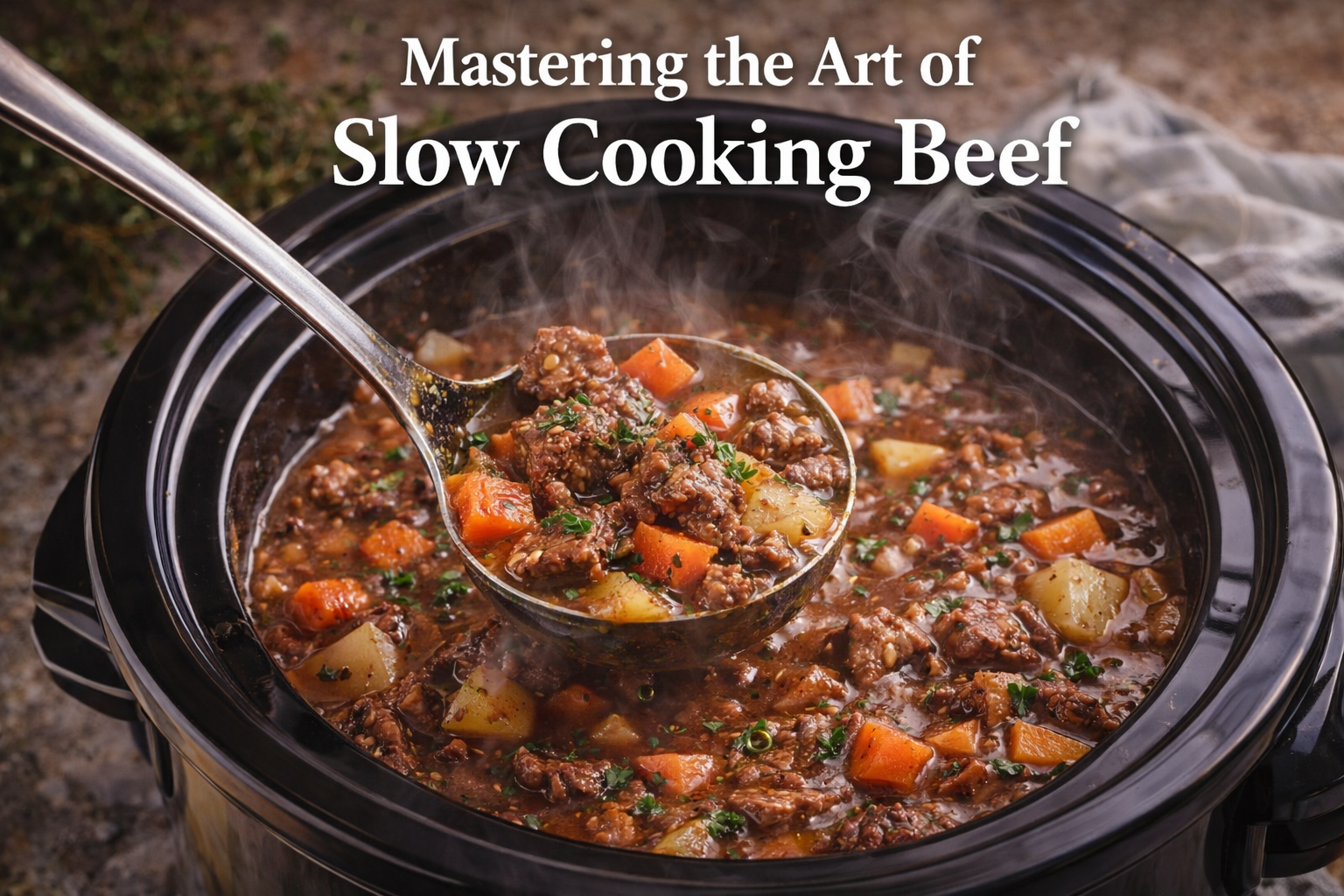
From my own kitchen, I learned that slow heat changes everything, because when beef is gently cooked with patience, the flavor builds layer by layer instead of rushing to the finish; using a crockpot taught me how time replaces effort, especially when making a rich beef stew that turns simple ingredients into comfort food, and after testing many recipes, I now focus less on steps and more on rhythm—letting the meat relax, the juices deepen, and the process work quietly in the background while the result tastes intentional, balanced, and deeply satisfying.
How Long to Slow Cook Beef Properly
From my own kitchen experience, timing is the quiet secret behind truly tender beef, and I learned this while patiently testing slow methods that respect the meat rather than rush it; when cooked gently for 6–8 hours on low heat, tougher cuts break down naturally, making them perfect for a rich beef stew that feels deep and comforting, especially when using a crockpot where steady heat does the work while you focus on flavor layering, spices, and balance, and I’ve noticed that shorter times can leave the texture tight while longer, controlled cooking brings out natural juices, which is why many classic recipes rely on patience, moisture, and low temperature to transform simple ingredients into something memorable.
When to Use High vs Low Settings
From my own kitchen trials, choosing between high and low heat is less about rules and more about rhythm, and this balance defines truly slow cooking; when I want deep flavor and soft texture, I set the crockpot on low and let the beef gently break down until it feels patiently cooked, which works best for classic beef stew and other comfort-style recipes, while on busy days I switch to high for quicker results, knowing the meat will still turn tender but with a slightly firmer bite, so understanding your time, cut of meat, and desired outcome helps you master heat control without stress and cook with confidence.
Serving and Storing Beef Stew
When I serve beef stew, I always think about the right time and the right kind of comfort food mood, because a hot stew should feel easy to eat and deeply delicious; I like to go classic by pouring the stew into warm bowls, adding soft peas, and placing fresh bread or a crisp baguette on the side so people can dip and slow down, and if I ever bake the stew gently again the next day, the flavor grows even better with rest, which is why I tell friends to store it carefully, reheat it slowly, and truly enjoy every spoonful the way I have learned to over time.
Best Side Dishes to Serve with Stew
When I serve stew at home, I always think about balance and comfort, so I pour the hot beef stew into warm bowls, add a spoon of peas for color, and place it with a slice of crusty bread or a torn baguette, because this kind of pairing just works and helps you enjoy every bite; sometimes I even bake the bread lightly to make it extra delicious, and from experience, this is the best way to eat it when family is ready to go straight to the table, while also remembering that proper storage matters, since letting the stew cool time-wise before chilling keeps the flavor right for the next day.
Storage and Reheating Tips from Experience
From my own kitchen time, I always serve hot stew in deep bowls, because it keeps the beef tender and the peas bright, and I like to eat it with crusty bread or a warm baguette that can go straight on the side or into the oven to bake for a minute; when storing, this kind of delicious meal cools best before sealing, and when I reheat it gently, I enjoy how the flavors wake up again, making it easy to serve fresh and hot every time without losing what makes the stew so satisfying to eat.
Crockpot Stew Meat and Texture Tips
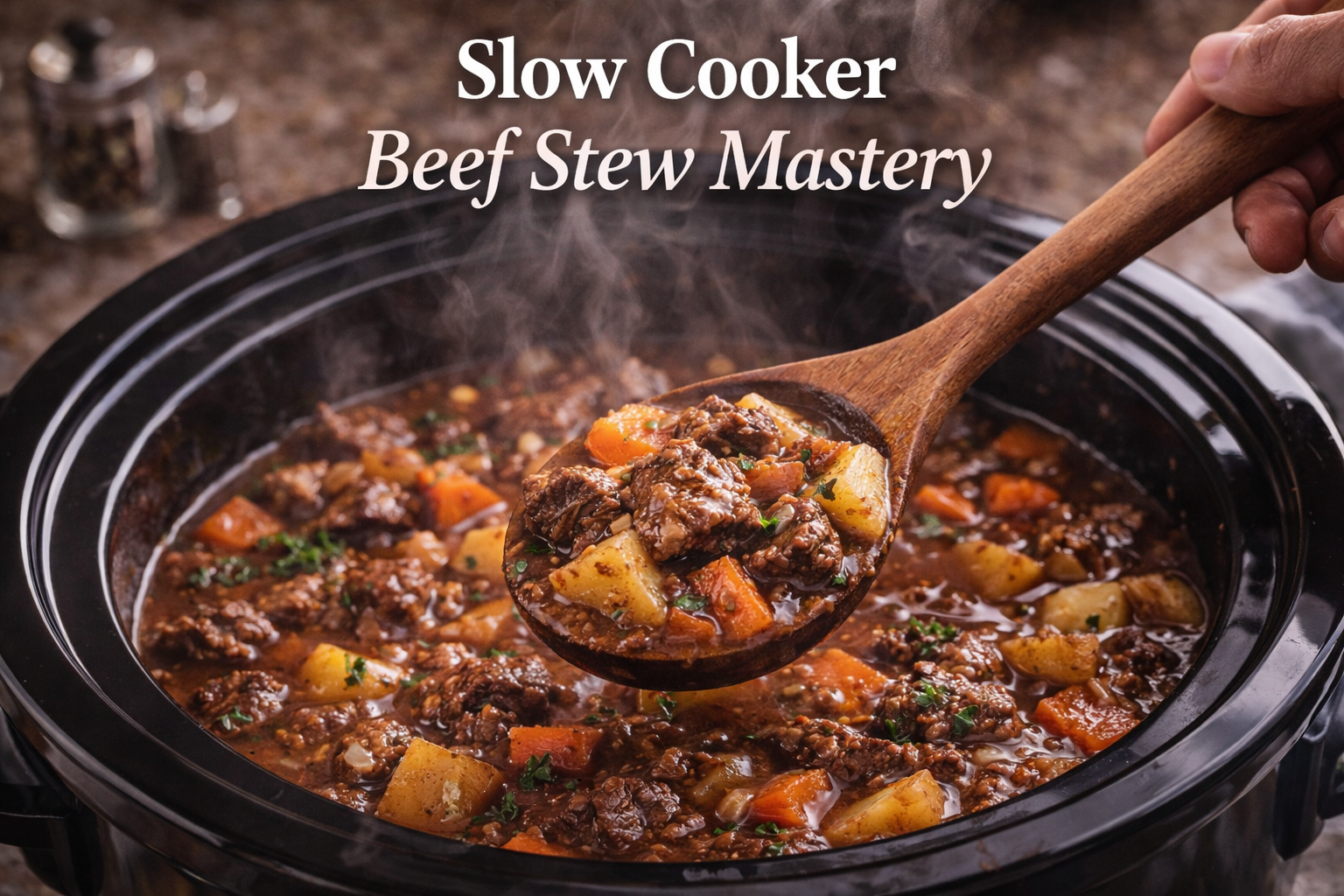
From my years cooking beef stew at home and watching chefs work, I learned that texture comes from the right technique, not luck, so I always use a cold start and make sure the ingredient balance is correct; slow heat helps keep the meat tender and juicy, because rushing can cause it to turn tough and dry out, and Otherwise the results will disappoint at the end. I add potatoes, parsnips, celery, green herbs, and sometimes beans as Optional additions for a sweet, smooth base, using at least 2 Tablespoons of butter at the finish for a velvety feel. One trick I called my secret is a gentle swirl of Monter beurre (butter au jus style) to handle the fat the right way, locking in the juices; this small amount makes it possible to get extra richness without grease, and I let it run slowly so the stew stays very balanced and deeply comforting.
Choosing the Right Beef Cuts
From my own kitchen technique, I’ve learned that picking the right beef is the ingredient that decides texture, because chefs know tough cuts can turn tender and juicy if you handle them well, Otherwise they stay tough and dry, so I always use slow heat to make the juices run gently and not boil out, which can cause bad results; I add potatoes, celery, parsnips, beans, and something sweet at the end, at least 2 hours before I finish, and for a smooth and velvety feel I swirl Tablespoons of butter or beurre au Monter with a small amount of cold fat for extra richness, which is Optional but very effective, plus green herbs and small additions like called aromatics, because it’s possible to balance flavor and texture if you keep control, and this method helps tender meat stay moist, not dry, giving the stew a velvety body I trust every time.
Avoiding Tough or Dry Stew Meat
From my own slow-cooker days, I learned that tough stew usually has a clear cause: the wrong technique or timing. To keep beef tender and juicy, I use a steady heat and let the meat handle time gently, never rushing the end. I make sure the ingredient balance is right, adding potatoes, celery, parsnips, and green beans early, while sweet additions come later so flavors stay smooth. I’ve seen chefs improve results by saving the juices and, at the finish, doing a classic Monter au beurre: take 2 Tablespoons of cold butter, an Optional but very effective step, and swirl it in at the end to get a velvety texture. This small amount can make the stew richer without drying it out; Otherwise, even good meat can run dry. Keep it simple, add extra care at the least expected moment, and the possible improvement in flavor is clearly called out by better texture and fuller taste.
Advanced Slow Cooker Techniques
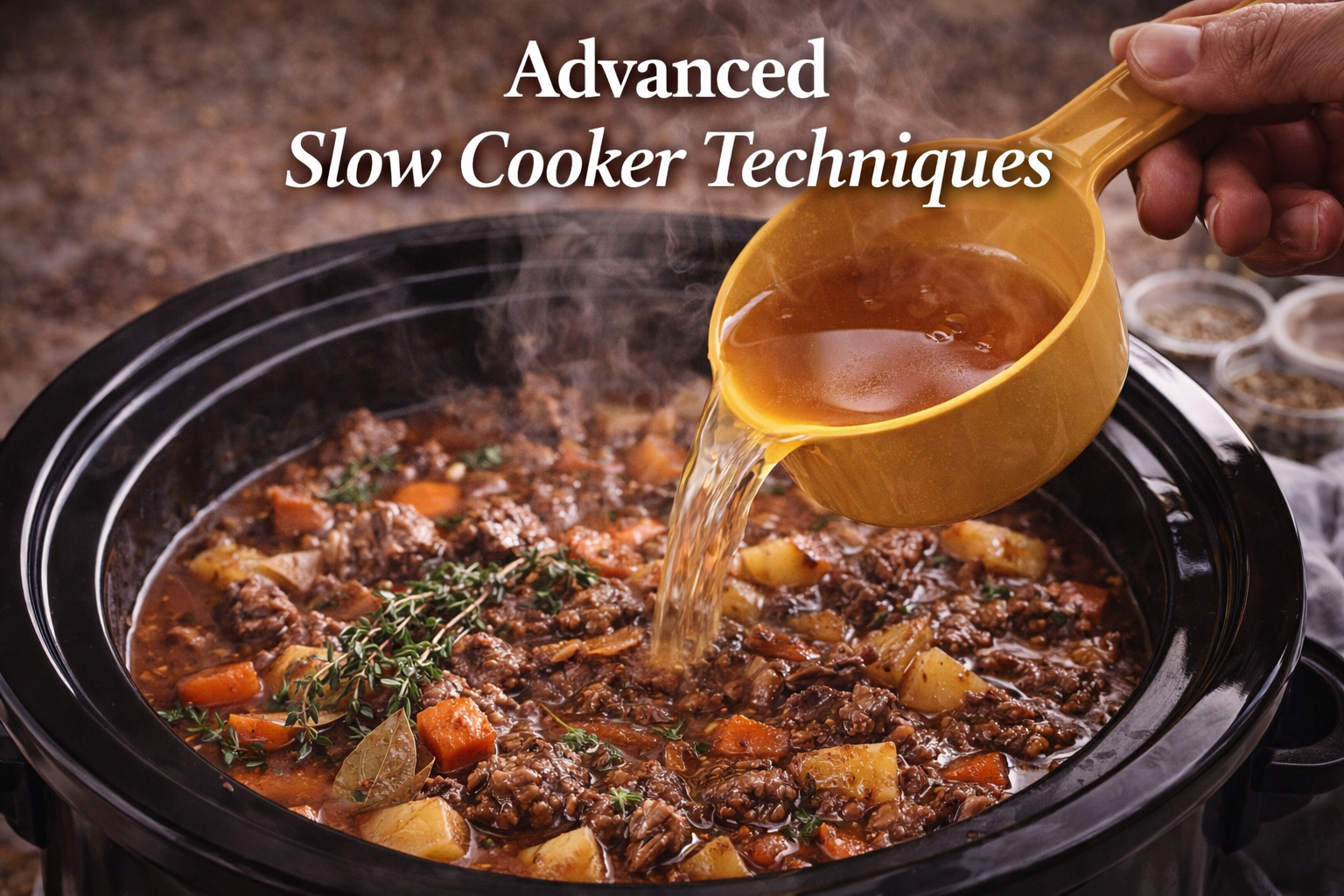
From my own kitchen trials, I learned that mastering advanced slow cooking is less about recipes and more about control, so when people ask how to make a rich beef stew in a slow cooker, I focus on timing, layering flavors, and smart heat management; starting with well-seared beef in crock pot adds depth, while understanding moisture balance keeps a stew slow cooker meal from turning watery, and over the years I’ve seen that patience, low heat, and small adjustments—like adding herbs late—transform simple ingredients into complex, comforting food without constant supervision.
Managing Liquid Levels Correctly
From my years of testing recipes at home, I learned that Managing Liquid Levels Correctly changes the final taste more than any spice, especially when teaching friends how to make beef stew in a slow cooker without it turning watery, because slow cookers trap moisture and need less liquid than stovetops; when cooking beef in crock pot, I now add broth slowly, letting vegetables release their own juices, which keeps flavors deep and textures rich, and this approach works perfectly for any stew slow cooker recipe since controlled liquid helps the meat stay tender while concentrating taste instead of diluting it.
Timing Add-Ins for Best Flavor
From my years of testing how to make a rich beef stew taste deeper in a slow cooker, I learned that timing matters more than heat: start with hardy items like root veggies and seared beef in crock pot so they build body early, then add delicate herbs, peas, or dairy near the end to keep them bright; this approach turns a basic stew slow cooker method into a controlled flavor build, where spices bloom slowly, aromatics stay fresh, and textures don’t blur, giving you a clean, bold taste without overcooking anything.
Beef Recipe Inspiration Beyond Stew
When people think of beef, they often jump straight to stew, but my time cooking for family dinners taught me that the best beef ideas often come from changing how you use your tools and cuts; instead of a classic stew slow cooker meal, I like using a crock pot or crockpot to build bold flavors for tacos, rice bowls, or shredded sandwiches, mixing slow heat with spices and short cooking steps, and this is where recipes beef become more flexible and exciting, because smart timing and seasoning turn simple cuts into something special, and over the years I have learned that planning recipes beef this way saves time, reduces waste, and helps you enjoy beef in fresh, satisfying ways without repeating the same old dish.
Slow Cooker Beef Dishes Worth Trying
When I want comfort without repeating a stew slow cooker routine, I turn to my crock pot for fresh ideas that still feel home-cooked, because slow heat brings out the best beef flavor with very little effort. Over the years, I’ve learned that simple recipes beef like shredded chuck for sandwiches or spicy pulled beef tacos work just as well in a crockpot, especially when you layer seasoning early and let time do the work. This approach to recipes beef is perfect for busy days, and it proves that slow cooking is not just about stew but about variety, control, and reliable results that make everyday meals feel special.
Versatile Beef Recipe Ideas
When I think about Versatile Beef Recipe Ideas, I always go beyond classic bowls and lean on my own kitchen trials, where a crock pot or crockpot becomes a tool for creativity, not just comfort, because recipes beef can shine as shredded fillings, quick skillet meals, or even slow-cooked slices that surprise you with texture; using what I’ve learned over years of testing, the best beef cuts work well when you rethink heat and timing, since a stew slow cooker method can also build deep flavor for wraps, rice bowls, or sandwich toppings, and I often remix recipes beef by adjusting spices and cook time so the same cut feels new every time without losing that rich, familiar taste.
Homemade Crockpot Beef Stew Experience
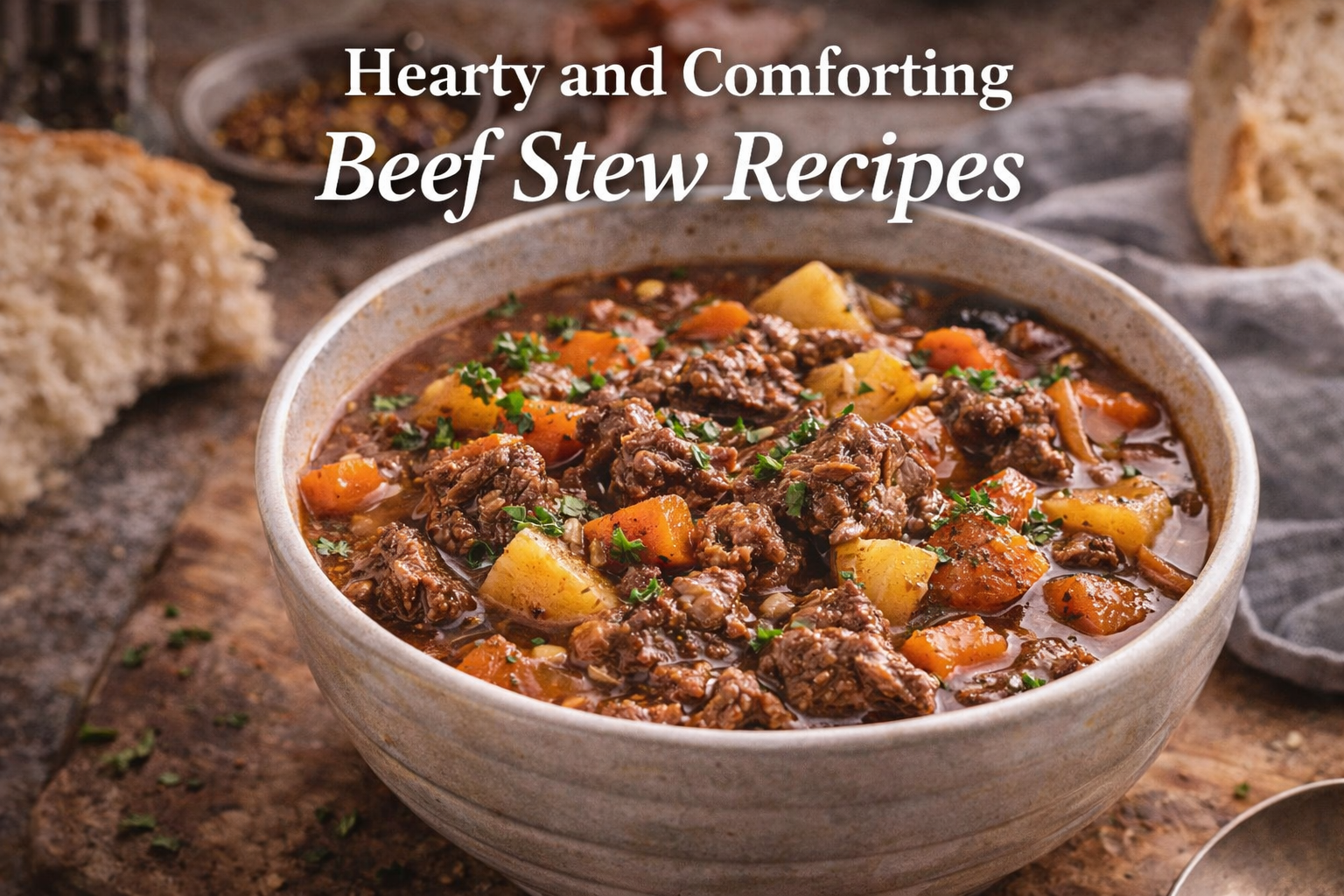
Starting with the hands-off joy of the crock pot, this experience is about letting time do the work while flavors grow deep and rich, and that mindset shapes how I see a good recipe from the first chop to the last bite. When I make homemade beef stew, I rely on the steady heat of the crock pot to turn simple cuts into tender comfort, something I learned after years of testing crockpot stews on busy weekdays. The smell alone tells you this beef stew is worth the wait, and using a crock pot keeps everything relaxed and stress-free, which is why I always come back to this recipe when I want real, honest food that feels personal and familiar.
Why Homemade Always Tastes Better
From my own kitchen, I have learned that starting a recipe in a crock pot is less about effort and more about patience, because when homemade food cooks slowly, flavors grow deeper and feel more honest, and this is exactly why a classic beef stew made this way feels special; unlike rushed meals, crockpot stews allow time for the meat to soften, the vegetables to blend, and the aroma to fill the house, reminding me of calm weekends and family dinners, and when I prepare ** beef stew ** again in a crock pot, I trust the process, knowing that simple ingredients, slow heat, and personal care always create a richer, warmer experience than anything store-bought.
Family-Tested Recipe Tips
From years of weeknight cooking, I learned that a good recipe for beef stew is less about rules and more about timing and care, especially when using a crock pot. I always start early, because slow heat turns simple cuts into deep flavor, which is why crockpot stews feel so comforting and reliable. Keeping it homemade matters to me; I brown the meat first, then layer vegetables so nothing turns mushy, and this small habit changed my beef stew results completely. Using a crock pot again the next day makes the taste even richer, and that patience is what makes this dish feel family-tested rather than rushed.
FAQs About Crockpot Beef Stew
From my own food prep habit, stew works best when stew meat sits under Yukon gold potatoes, the best kind of potato, kept unpeeled potatoes until you peel before serving for easy to remove skins.
I pour one more cup on the top of the stew, check the crockpot, and trust the balance so the potatoes hold while the meat shines.
How do I make beef stew step by step in a crockpot?
I start this recipe every Sunday using 3 lbs of Chuck roast or stew meat, cut into larger bite sized pieces, because low and slow cooking makes the meat truly tender.
Place everything in the crockpot with beef broth, 1 cup red wine or a wine substitute, add bay leaves, and keep the liquid at the top of the stew for a full crockpot.
What makes the best crockpot beef stew?
From my years of cooking stew on a cozy Sunday, the secret is low and slow heat in a full crockpot, which keeps the meat deeply tender and rich in flavor.
Using Chuck roast instead of stew meat helps avoid dry bites and makes this recipe truly comforting food.
Can I use different cuts of beef for stew?
Yes, I often swap Chuck roast with another type of roast or stew meat in my crockpot; cooked low and slow, about 3 lbs of meat stays tender and never overcook in a full crockpot that easily feeds a family of four on Sunday and Monday night.
Is crockpot beef stew beginner-friendly?
Yes, a full crockpot with beef broth, 1 cup red wine or a wine substitute, bay leaves, and carrots does the work while you relax.
Use larger bite sized pieces, add Yukon gold potatoes—the best kind of potato—either unpeeled potatoes or peel them; they won’t overcook, turn to mush, and are easy to remove before serving from the top of the stew.